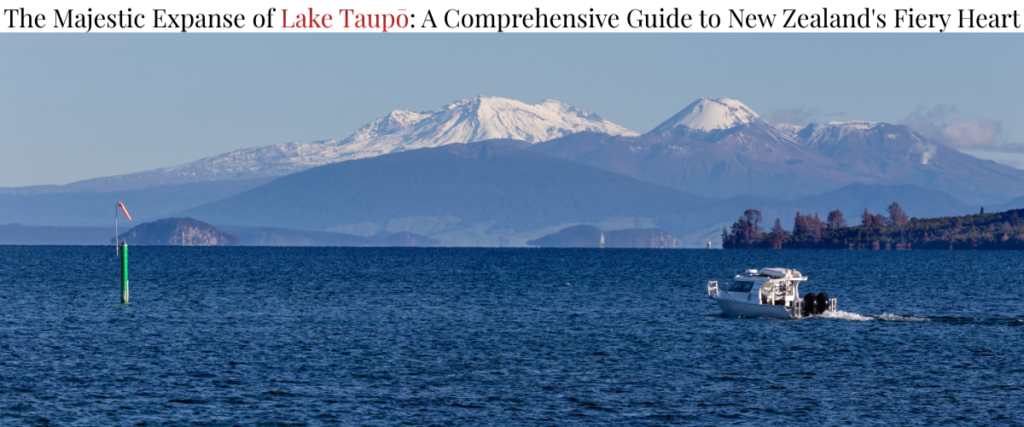
The Majestic Expanse of Lake Taupō: A Comprehensive Guide to New Zealand’s Fiery Heart
Situated in the geographical centre of New Zealand’s North Island, Lake Taupō is a breathtaking expanse of deep, clear water that acts as the ecological and cultural crown jewel of the Waikato region. Covering a surface area of approximately 616 square kilometres and reaching maximum depths of 165 metres, it holds the distinction of being the largest freshwater lake in Australasia. However, beneath this serene and picturesque surface lies an exceptionally violent and dynamic geological history. Lake Taupō is not merely a topographical basin filled with water; it is the flooded caldera of one of the world’s most active, productive, and dangerous rhyolitic supervolcanoes.
The Majestic Expanse of Lake Taupō: A Comprehensive Guide to New Zealand’s Fiery Heart Read More »