The Global IT Industry in Review: Critical Vulnerabilities, Nuclear Artificial Intelligence Infrastructure, and Semiconductor Market Dynamics
During Black October in late 2026, AI models uncovered and exploited catastrophic vulnerabilities in internet infrastructure, including PHP2Shell. At the same time, hyperscalers made a massive shift to nuclear energy to power expanding AI compute demands. Meanwhile, the global semiconductor market expanded to $2 trillion despite macroeconomic inflation and financial…
Recent Articles & Blogs
Global Equity Market Dynamics: A Comprehensive Review of the Week Ended 23 October 2026
For the week ended October 23, 2026, global equity markets faced severe volatility fueled by a rotation away from tech stocks amid growing artificial intelligence capital expenditure concerns. Additionally, escalating Middle East conflicts drove crude oil prices above USD 114 per barrel, reigniting inflation fears and driving bond market rallies.

Comprehensive Analysis of Indo-Pacific Defence Dynamics: India and Australia (October 2026)
The geopolitical architecture of the Indo-Pacific in October 2026 remains in a state of rapid and consequential evolution. Driven by the overarching imperatives of strategic autonomy, technological sovereignty, and the pressing need to counter asymmetric and conventional threats in a contested maritime domain, both India and Australia are executing profound…
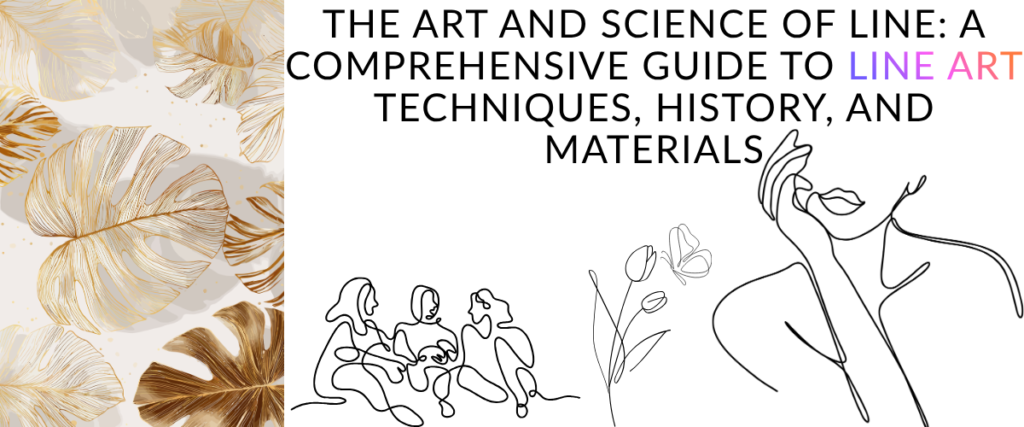
The Art and Science of Line: A Comprehensive Guide to Line Art Techniques, History, and Materials
Line art is arguably the most fundamental mode of human visual expression and structural design. Long before the advent of full-colour rendering, photorealism, or complex digital painting, the simple act of dragging a pigmented tool across a surface served as the primary mechanism for translating the three-dimensional world onto a…
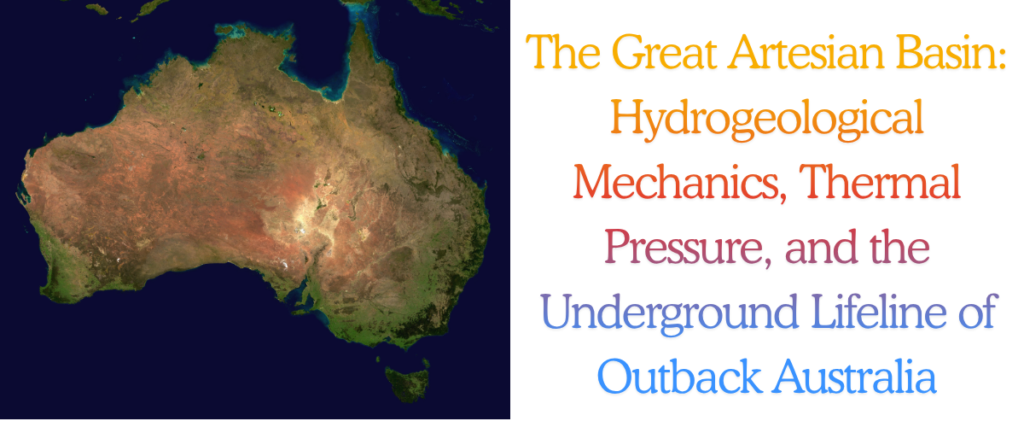
The Great Artesian Basin: Hydrogeological Mechanics, Thermal Pressure, and the Underground Lifeline of Outback Australia
Spanning an astonishing 1.7 million square kilometres and underlying approximately one-fifth of the Australian continent, the Great Artesian Basin (GAB) represents one of the largest, deepest, and most structurally complex confined aquifer systems on the planet. Extending beneath the arid and semi-arid landscapes of Queensland, New South Wales, South Australia,…

New Arrivals – Art
- Nature
Top-Down Lotus Flower Pond Print: Vibrant Pink Blooms & Broad Floating Leaves, Mirror Water Reflections, Peaceful Asian Botanical Art
Original price was: $6.99.$5.99Current price is: $5.99. Add to cart - Fantasy
Stained Glass Garden Art: Vibrant Floral Landscape Print, Ornate Bohemian Wall Decor, Colourful Botanical Window Style Painting
Original price was: $6.99.$5.99Current price is: $5.99. Add to cart - Nature
Vibrant Floral Arrangement Wall Art: Detailed Pink Orange Blue Blooms, Rich Textured Teal Background, Modern Botanical Digital Print
Original price was: $6.99.$5.99Current price is: $5.99. Add to cart - Fantasy
Mountain Railway Journey Print: Curved Stone Bridge and Sprawling Tree Painting, Misty Distant Peaks with Blue Sky, Travel Poster Art
Original price was: $6.99.$5.99Current price is: $5.99. Add to cart






Recommended products
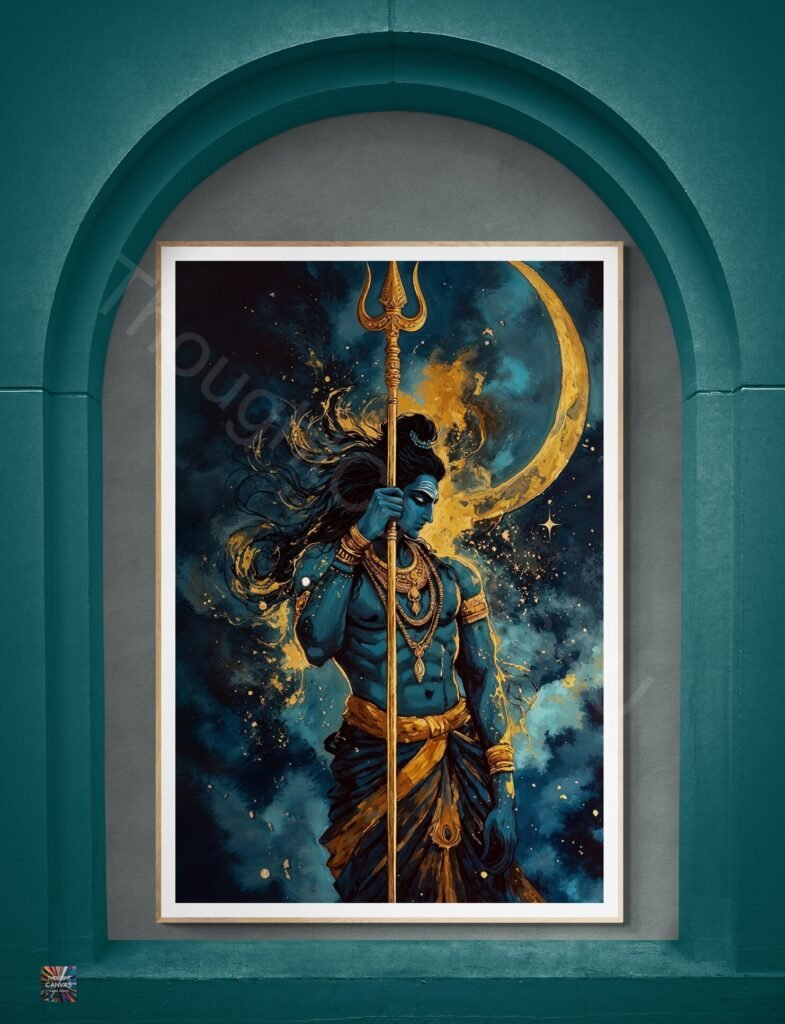
Celestial Shiva Art | Hindu God Portrait | Cosmic Background | Digital Download | Instant Download
Original price was: $6.99.$5.99Current price is: $5.99.Vibrant Varanasi Painting | Indian Architecture | Digital Art | Sunset River Scene | Wall Decor | Instant Download
Original price was: $6.99.$5.99Current price is: $5.99.Graceful Ghoomar Dancer | Oil Painting Style | Digital Download | Rajasthani Folk Art | Vibrant Wall Decor| Instant Download | 1
Original price was: $6.99.$5.99Current price is: $5.99.Serene African Wildlife Art | Elephant & Sunset, Nature Landscape Digital Download | Instant Download
Original price was: $6.99.$5.99Current price is: $5.99.



New Arrivals – eBooks
- Children eBooks
The Mirror That Showed Benny Who He Was
Original price was: $6.99.$5.99Current price is: $5.99. Add to cart - Children eBooks
Hoppy’s New Year’s Eve Travel Adventures
Original price was: $6.99.$5.99Current price is: $5.99. Add to cart - EBOOKS
In the Throes of Pain: A New Path to Relief
Original price was: $6.99.$5.99Current price is: $5.99. Add to cart - Children eBooks
Barnaby The Grumbling Badger
Original price was: $6.99.$5.99Current price is: $5.99. Add to cart