June 2026

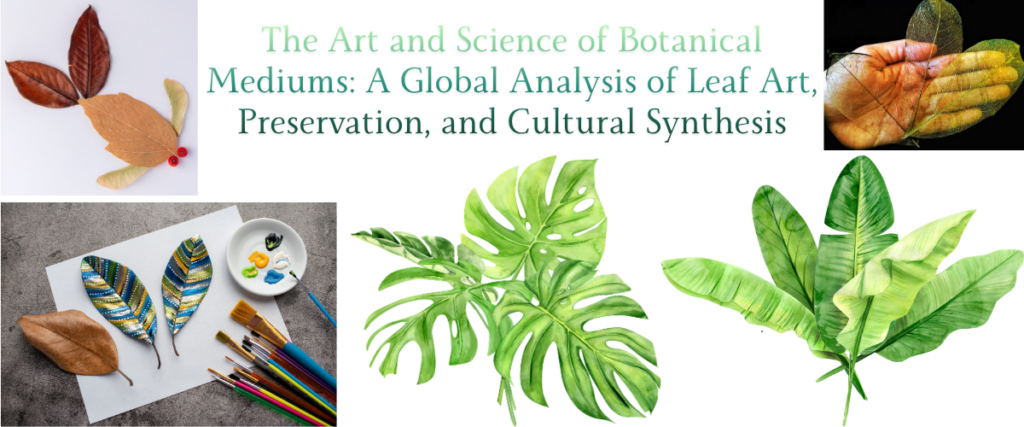
The Art and Science of Botanical Mediums: A Global Analysis of Leaf Art, Preservation, and Cultural Synthesis

The Art and Science of Botanical Mediums: A Global Analysis of Leaf Art, Preservation, and Cultural Synthesis

Foliage has long served as a vital canvas and inspiration for human creative expression, spanning the boundaries of utility, spiritual practice, and high-precision artistry. From prehistoric tool designs to the delicate micro-carvings of the modern era, the physical leaf is a complex biological structure that artists manipulate through physical, chemical, and mechanical means. This report provides an in-depth analysis of leaf art, examining its historical anthropological contexts, cultural and spiritual lineages, contemporary pioneers, technical modification methods, chemical preservation protocols, and the ecological responsibilities associated with harvesting botanical materials.
The Art and Science of Botanical Mediums: A Global Analysis of Leaf Art, Preservation, and Cultural Synthesis Read More »

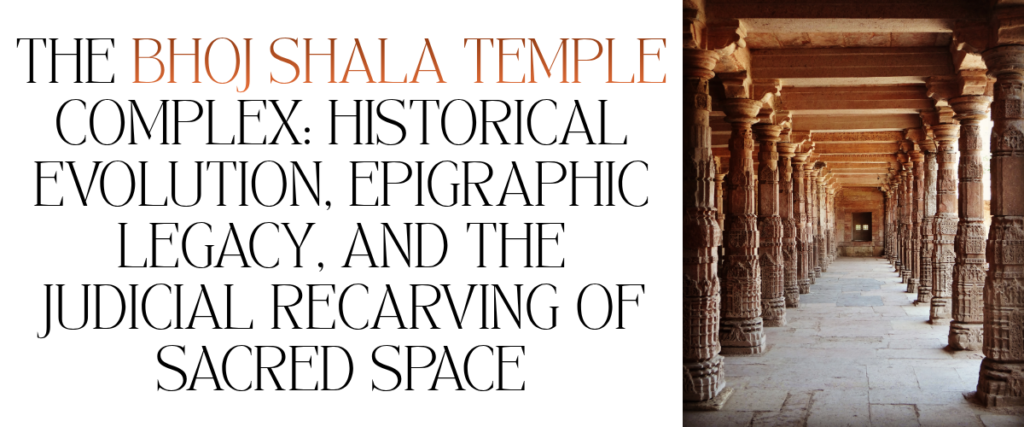
Bhojshala Image Source: https://upload.wikimedia.org/wikipedia/commons/a/ad/Bhoj_Shala_7_September_2021.jpg

The Bhoj Shala Temple Complex: Historical Evolution, Epigraphic Legacy, and the Judicial Recarving of Sacred Space

The Bhojshala monument in Dhar, Madhya Pradesh, occupies a singular and highly contested position in the cultural, architectural, and legal history of India. Originally established in the eleventh century as an imperial Sanskrit academy and a temple dedicated to the goddess Vagdevi (Saraswati) under the patron monarch Raja Bhoja of the Paramara dynasty, the complex underwent substantial structural alterations during the medieval period. These changes culminated in its dual identity as the Kamal Maula Mosque, named after the fourteenth-century Sufi saint Hazrat Maulana Kamaluddin Chishti.

The Bhoj Shala Temple Complex: Historical Evolution, Epigraphic Legacy, and the Judicial Recarving of Sacred Space Read More »

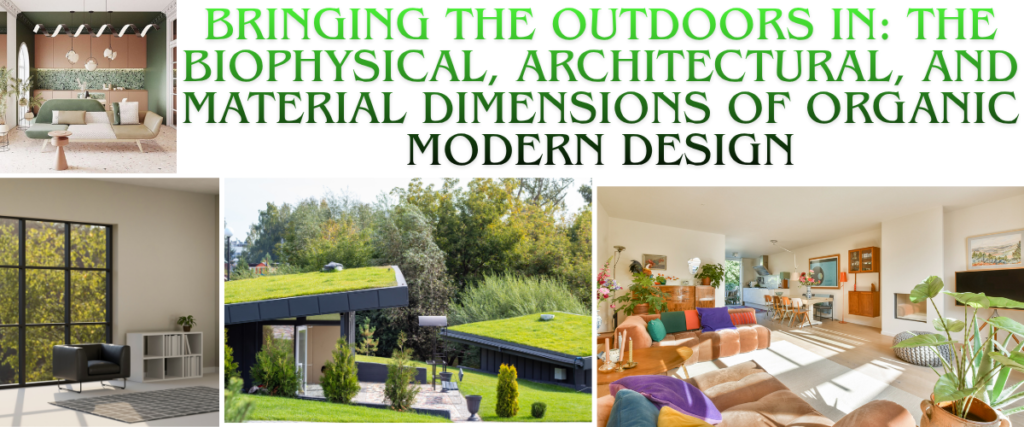
Bringing the Outdoors In: The Biophysical, Architectural, and Material Dimensions of Organic Modern Design

Bringing the Outdoors In: The Biophysical, Architectural, and Material Dimensions of Organic Modern Design

Foundations of Organic Modernism: History, Philosophy, and Evolution

The contemporary residential interior is undergoing a profound structural evolution. In an era dominated by relentless digital immersion, screen fatigue, and urban density, the domestic space is increasingly required to serve as a grounding psychological sanctuary. This socio-cultural pressure has driven the rise of “Organic Modern” interior design, an aesthetic that balances contemporary minimalism with the warmth, texture, and restorative properties of the natural world.

Bringing the Outdoors In: The Biophysical, Architectural, and Material Dimensions of Organic Modern Design Read More »

Scroll to Top