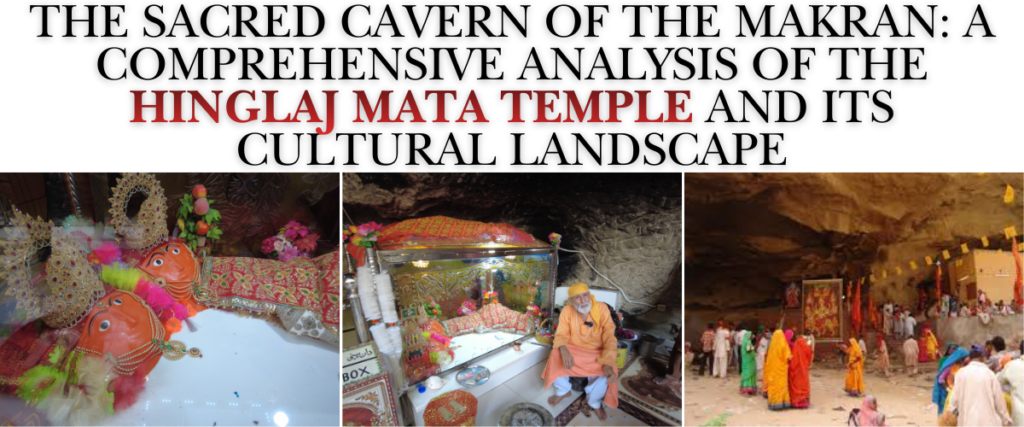
The Sacred Cavern of the Makran: A Comprehensive Analysis of the Hinglaj Mata Temple and its Cultural Landscape
The Hinglaj Mata Temple, nestled in the desolate yet awe-inspiring mountain ranges of the Hingol National Park in Balochistan, represents a singular intersection of profound spirituality, geological marvel, and cross-cultural heritage. Known locally as Nani Mandir or Bibi Nani, the shrine is not merely a religious destination for the Hindu minority but is a site of shared reverence that bridges the deep theological divides between the Hindu and Muslim communities of the region. As one of the fifty-one primary Shakti Peethas of the Hindu tradition, the temple holds a paramount status in the Shaktism denomination, believed to be the spot where the Brahmarandhra, or the crown of the head, of the goddess Sati fell after her body was dismembered by the god Vishnu. This article explores the multifaceted identity of Hinglaj Mata, examining its mythological foundations, its historical evolution from the pre-Islamic era to the modern day, the unique geomorphological landscape that defines its setting, and the contemporary socio-political initiatives that have seen it elevated to a global tourism site in 2025.