Author name: Swapnil Bhatnagar

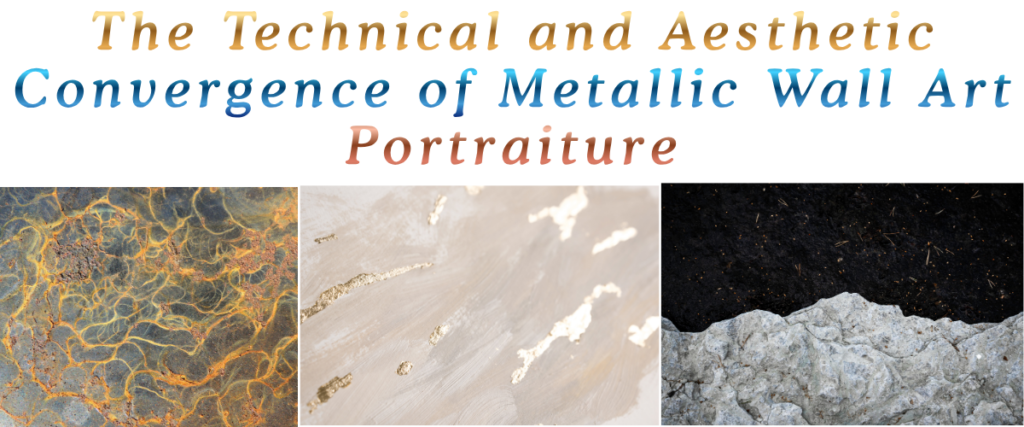
The Technical and Aesthetic Convergence of Metallic Wall Art Portraiture

The Technical and Aesthetic Convergence of Metallic Wall Art Portraiture

The contemporary landscape of interior design and fine art has witnessed a transformative shift toward the integration of industrial materials into domestic and professional spaces. At the forefront of this movement is the metallic wall art portrait, a medium that transcends the limitations of traditional paper and canvas by offering unparalleled durability, high-definition clarity, and a dynamic interaction with light. Unlike conventional mediums, metal portraits utilise advanced metallurgical properties and high-precision fabrication technologies—ranging from thermal dye sublimation to CNC laser cutting—to create pieces that are not only visual representations but structural additions to an environment. This report examines the technical specifications, material science, artistic methodologies, and structural requirements of metallic portraiture, providing a comprehensive analysis for professional curators, interior designers, and collectors.

The Technical and Aesthetic Convergence of Metallic Wall Art Portraiture Read More »
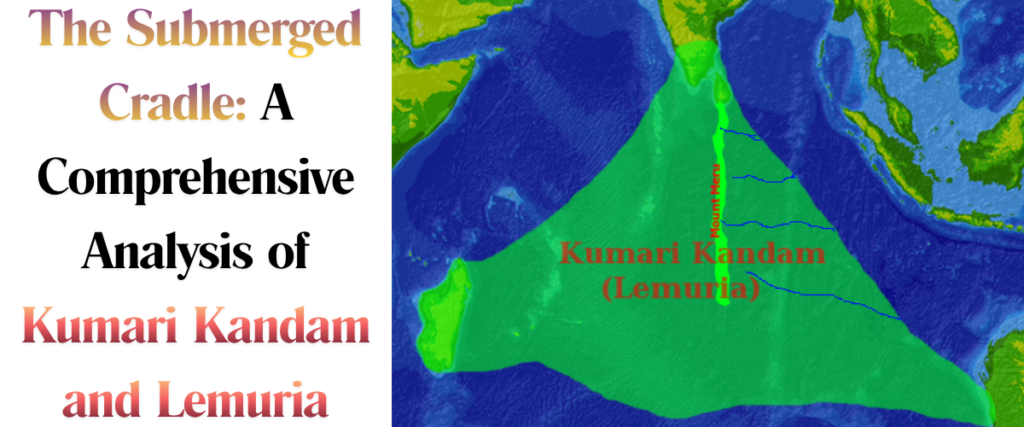
The Submerged Cradle: A Comprehensive Analysis of Kumari Kandam and Lemuria

The Submerged Cradle: A Comprehensive Analysis of Kumari Kandam and Lemuria

The intellectual history of lost continents represents a unique intersection of empirical science, mystical speculation, and nationalist historiography. For over a century, the narratives of Lemuria and Kumari Kandam have functioned as potent symbols of ancestral loss and cultural origin, evolving from a nineteenth-century zoological hypothesis into a cornerstone of Tamil ethnic identity. While modern geology, particularly the theory of plate tectonics, has rendered the physical existence of a sunken continent in the Indian Ocean impossible within the timeframe of human civilisation, the persistence of these stories reflects deeper sociological impulses through which societies construct meaning in the face of colonial and cultural marginalisation.

The Submerged Cradle: A Comprehensive Analysis of Kumari Kandam and Lemuria Read More »

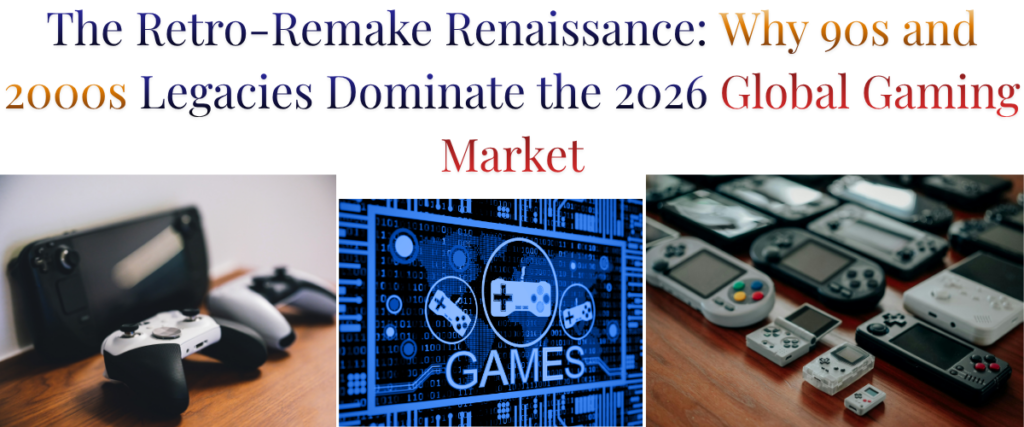
The Retro-Remake Renaissance: Why 90s and 2000s Legacies Dominate the 2026 Global Gaming Market

The Retro-Remake Renaissance: Why 90s and 2000s Legacies Dominate the 2026 Global Gaming Market

The video game industry in early 2026 has transitioned into an era defined by a profound paradox: while technological capabilities have reached unprecedented heights with the advent of neural rendering and generative artificial intelligence, the commercial heart of the market is beating firmly in the past. As of the first quarter of 2026, the retail and digital landscape across the major ecosystems—PlayStation 5, Xbox Series X|S, the high-performance PC handheld market, and the newly launched Nintendo Switch 2—is being dominated by reimagined versions of titles from the 1990s and 2000s. This phenomenon, often termed the “Retro-Remake Boom,” has seen titles like Resident Evil: Requiem, Dragon Quest VII: Reimagined, and Final Fantasy VII: Remake not only top the charts but also outperform the launch metrics of their contemporary predecessors.

The Retro-Remake Renaissance: Why 90s and 2000s Legacies Dominate the 2026 Global Gaming Market Read More »

Information-Technology-Industry

Global Information Technology Industry Intelligence Report: Week Ending 27 March 2026

The final week of March 2026 has witnessed a fundamental restructuring of the global information technology landscape, transitioning from the hype-driven “generative era” into a disciplined “agentic epoch.” This week has been defined by the convergence of trillion-parameter frontier models, the deployment of inference-optimised hardware architectures, and a landmark shift in the regulatory oversight of algorithmic management, particularly within the Australian jurisdiction. As enterprise software valuations undergo a significant bifurcation based on AI integration, the industry is grappling with the dual pressures of massive capital expenditure and the urgent need to demonstrate tangible return on investment. This report provides an exhaustive analysis of the technological breakthroughs, geopolitical shifts, and corporate movements that have shaped the IT sector during this pivotal week.

Global Information Technology Industry Intelligence Report: Week Ending 27 March 2026 Read More »

Weekly-Financial-Review-

The Geopolitical Risk Premium and Global Equity Volatility: A Comprehensive Report on the Week Ending 27 March 2026

The final week of March 2026 was a watershed moment for global financial markets, as the precarious balance between diplomatic hope and military escalation in the Middle East finally tilted toward the latter. For market participants in the United States, Europe, Asia, India, and Oceania, the week ending 27 March 2026 was defined by a brutal “hangover” following a brief period of borrowed tranquillity. The overarching narrative was the tightening grip of a geopolitical risk premium, as the direct conflict between the United States-Israel alliance and Iran systematically choked global supply chains and sent energy prices to levels not seen in years.

The Geopolitical Risk Premium and Global Equity Volatility: A Comprehensive Report on the Week Ending 27 March 2026 Read More »

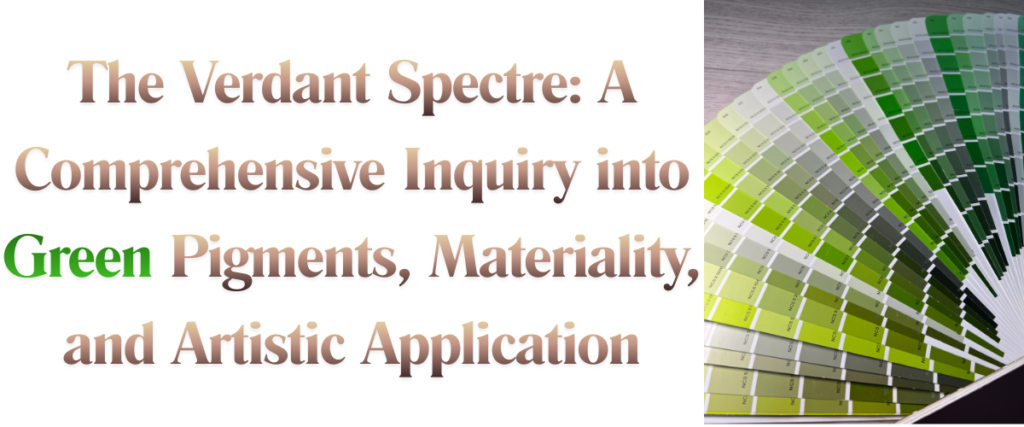
The Verdant Spectre: A Comprehensive Inquiry into Green Pigments, Materiality, and Artistic Application

The Verdant Spectre: A Comprehensive Inquiry into Green Pigments, Materiality, and Artistic Application

The colour green occupies a unique and often paradoxical position within the history of fine art. While it is the most prevalent hue in the natural terrestrial environment, representing life, growth, and renewal, it has historically been one of the most difficult colours for artists to capture with stability, safety, and brilliance. For centuries, the quest for a permanent, vibrant green led painters through a landscape of toxic minerals, unstable botanical dyes, and complex alchemical reactions. The transition from the earth-based minerals of antiquity to the synthetic innovations of the nineteenth century, and finally to the sustainable, high-performance pigments of the modern era, reflects broader shifts in chemistry, industrialisation, and environmental consciousness. This article provides an exhaustive examination of green in art, detailing the chemical properties of its pigments, the evolution of its use across cultures, the psychological and symbolic weight it carries, and the practical methodologies required to master its application in various media.

The Verdant Spectre: A Comprehensive Inquiry into Green Pigments, Materiality, and Artistic Application Read More »

Scroll to Top