The Architecture of Deception: A Comprehensive Analysis of Illusionism in Visual Arts and Cognitive Perception
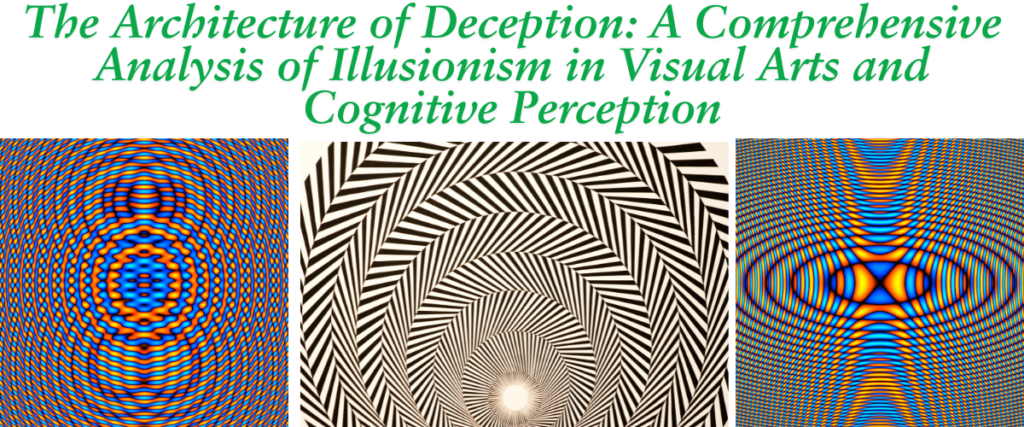
The history of visual representation is fundamentally a history of deception. From the earliest recorded artistic contests in Ancient Greece to the hyper-digital landscapes of 2026, the primary objective of the artist has often been to challenge the boundaries of what is real and what is merely perceived. Illusion art, categorised by its ability to manipulate the human visual system, represents a sophisticated intersection of mathematics, psychology, and fine art. This article provides an exhaustive examination of the techniques, historical trajectories, and neurological underpinnings of illusion art, analysing how static surfaces are transformed into dynamic, three-dimensional experiences. The following analysis explores the evolution of this field, the specific mechanisms that fool the human brain, and the modern applications that are redefining architecture, digital media, and social interaction.