The Phygital Classroom: Augmented Reality and the Transformation of Historical Education in Public Spaces
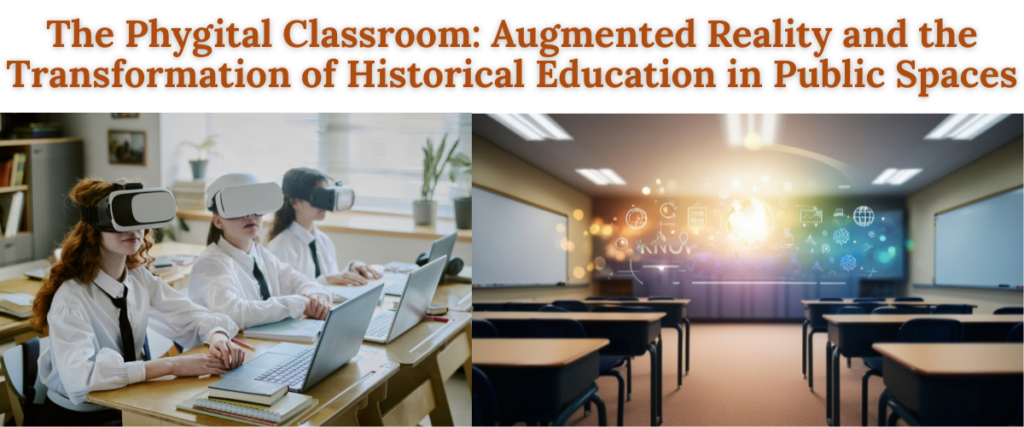
The landscape of modern education is undergoing a profound metamorphosis as the physical boundaries of the classroom dissolve into the digital infrastructure of the 21st century. This evolution is best encapsulated by the emergence of “phygital” learning, an instructional model defined by the seamless interaction between a physical space and a digital environment. By leveraging connected virtual and augmented reality tools, educators are creating immersive experiences where physical sensors and digital outputs operate in a continuous feedback loop, ensuring that the movements of a learner—such as interacting with a historical hologram—trigger meaningful educational responses. This shift represents more than just a technological upgrade; it is a fundamental reimagining of the educational space, moving away from static, four-walled environments toward dynamic, situated learning ecosystems that encompass local parks and heritage sites.