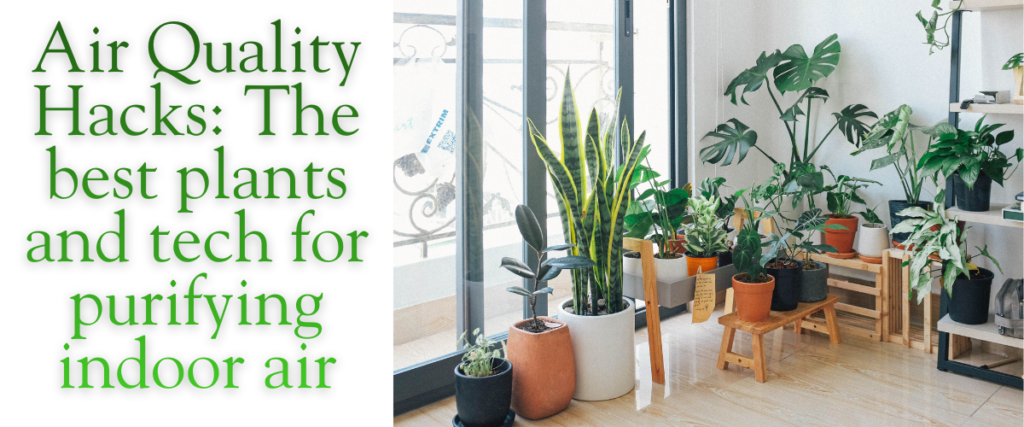
The atmospheric integrity of the Australian indoor environment has emerged as a primary concern for public health experts, architects, and residents alike. In an era defined by fluctuating climatic conditions, including the catastrophic “Black Summer” bushfire events and increasing urban density, the quality of the air breathed within homes and workplaces is no longer a secondary consideration but a fundamental component of structural safety and personal well-being.1 Historically, the Australian building tradition favoured high natural ventilation, but the shift towards energy-efficient, airtight constructions has created a unique set of challenges regarding the accumulation of indoor pollutants.2 This article provides an exhaustive analysis of the biological and technological mechanisms available to purify indoor air, synthesising botanical solutions with cutting-edge mechanical filtration to offer a comprehensive guide for the Australian context.
The Environmental Landscape: Australian Indoor Air Challenges
Indoor air quality in Australia is influenced by a complex interplay of outdoor environmental factors and internal pollutant sources. The nation faces specific challenges such as bushfire smoke infiltration, high coastal humidity fostering mould growth, and a persistent reliance on gas and wood-based heating systems.1 Research indicates that indoor environments often harbour pollutant concentrations significantly higher than those found outdoors, a reality that is frequently overlooked by the general population.1
The Infiltration of Bushfire Smoke and Particulate Matter
The 2019–20 bushfires serve as a critical case study for the vulnerability of Australian indoor spaces. During these events, more than 15,000 fires scorched nearly 19 million hectares, exposing millions to extreme levels of particulate matter ( ).2 While residential buildings are intended to provide refuge, “leaky” Australian homes—those with infiltration rates sometimes exceeding 15 air changes per hour—often fail to exclude fine smoke particles.2 is particularly hazardous as these particles, measuring less than 2.5 micrometres, can penetrate deep into lung tissue and enter the systemic circulation, leading to cardiovascular and respiratory complications.4
Humidity and the Biological Burden
The coastal regions of Australia, where the majority of the population resides, are characterised by persistent high humidity. This moisture facilitates the proliferation of biological contaminants, including mould spores, dust mites, and bacteria.3 Mould growth is not merely an aesthetic issue but a source of airborne spores that trigger asthma attacks and allergic reactions.4 Furthermore, Australian coastal homes exhibit some of the highest dust mite allergen levels globally due to the temperate climate that allows these organisms to thrive year-round.3
| Housing Ventilation Profile | Estimated Air Changes Per Hour (ACH) | Primary Mechanism |
| Older Regional Dwellings | 3.0 – 5.0 (or up to 15.0) | Permanent wall vents and gaps 2 |
| Modern Standard Housing | 0.5 – 1.0 | Natural infiltration through facade 3 |
| Energy-Efficient “Tight” Homes | <0.5 | Mechanical ventilation required 2 |
| Sealed Environments (Bushfire Event) | Variable | Dependent on sealing and AC mode 7 |
Chemical Profiles: Understanding Volatile Organic Compounds
Volatile Organic Compounds (VOCs) represent a diverse class of gaseous organic trace species emitted from both biogenic and anthropogenic sources. In the Australian home, VOC levels are consistently higher than outdoor levels due to the off-gassing of common building materials and household products.4
Formaldehyde and Pressed Wood Products
Formaldehyde ( ) is perhaps the most significant indoor chemical pollutant in Australia. It is primarily emitted from urea-formaldehyde (UF) resins used in the manufacture of Medium Density Fibreboard (MDF), particleboard, and plywood.3 These materials are the backbone of modern Australian kitchens and cabinetry. Off-gassing is a slow process; while emissions peak in the first few weeks after installation, they can continue at lower levels for several years.4
The BTEX Group and Synthetic Fragrances
The “BTEX” group—comprising Benzene, Toluene, Ethylbenzene, and Xylene—are common markers of indoor chemical pollution. These compounds originate from paints, varnishes, cleaning agents, and even common air fresheners.5 Ironically, the products marketed to “freshen” the air often introduce synthetic fragrances that contribute to the chemical burden, sometimes reacting with existing ozone to form secondary pollutants like formaldehyde.12
| Common Indoor VOCs | Typical Source | Health Impact Concern |
| Formaldehyde | MDF, particleboard, carpets | Respiratory irritation, carcinogen 3 |
| Benzene | Tobacco smoke, detergents | Neurological effects, chronic disease 5 |
| Xylene | Printing, rubber, cleaning | Central nervous system depression 14 |
| Toluene | Paints, adhesives, fragrances | Neurological and respiratory issues 5 |
Botanical Purification: Leveraging Indoor Plants
The integration of indoor plants into the built environment is a popular strategy for improving aesthetics and air quality. While the actual volume of air purified by plants in a standard room is subject to scientific debate, their role in managing humidity, collecting dust, and providing psychological benefits is well-documented.12
The Mechanism of Transpiration and Phytoremediation
Plants contribute to air purification through three primary mechanisms: photosynthesis, transpiration, and the microbial activity within their root zones. During photosynthesis, plants convert  into oxygen. Transpiration increases indoor humidity, which is beneficial in air-conditioned environments where the air can become excessively dry, leading to irritated respiratory passages.13 Furthermore, many microorganisms in the soil help break down certain VOCs.13
Selection Guide for Australian Indoor Conditions
Choosing the right species for the Australian climate involves balancing light requirements with the plant’s known purification capabilities.
The Snake Plant (Sansevieria trifasciata)
Commonly known as “Mother-in-Law’s Tongue,” the Snake Plant is a highly resilient species suitable for Australian bedrooms. Unlike most plants, it releases oxygen at night, making it an ideal companion for sleeping quarters.14 It is specifically noted for its ability to filter formaldehyde, trichloroethylene, and benzene.14
The Peace Lily (Spathiphyllum)
The Peace Lily is an aesthetic favourite that thrives in the indirect light of Australian interiors. It is particularly effective at removing benzene, ammonia, and acetone.15 Additionally, it increases ambient humidity, which can be advantageous in dry climates, though owners must be wary of its toxicity to pets and small children.14
The Spider Plant (Chlorophytum comosum)
An excellent choice for beginners, the Spider Plant is known for its ability to battle carbon monoxide and xylene.14 It is also one of the few air-purifying plants that is non-toxic to animals, making it a safe choice for households with pets.14
Palms: Areca, Bamboo, and Parlour
Large palms are effective at clearing a variety of toxins while acting as natural humidifiers. The Bamboo Palm (Chamaedorea seifrizii) is noted for filtering benzene and trichloroethylene, while the Parlour Palm (Chamaedorea elegans) is highly adaptable to low-light conditions and is baby-safe.14
| Recommended Plant | Targeted Toxins | Pet Safety | Light Preference |
| Snake Plant | Formaldehyde, Benzene | Toxic | Low to Bright 14 |
| Peace Lily | Acetone, Ammonia | Toxic | Indirect Light 15 |
| Spider Plant | Carbon Monoxide, Xylene | Safe | Bright Indirect 14 |
| Rubber Plant | Formaldehyde | Toxic | Bright Light 15 |
| Parlour Palm | Benzene, Formaldehyde | Safe | Low Light 17 |
| Aloe Vera | Benzene, Formaldehyde | Toxic | Bright Sunny 14 |
Optimising Botanical Performance
To achieve a measurable impact, researchers suggest a density of at least one medium-sized plant per 10 square metres of indoor space.12 Maintenance is crucial; dust-covered leaves cannot effectively capture pollutants or perform photosynthesis. Regularly wiping leaves with a damp cloth and ensuring adequate drainage to prevent root rot—which can itself lead to mould—are essential care practices.12
Technological Solutions: Advanced Air Purifiers
When environmental conditions—such as a bushfire or high urban smog—make natural ventilation impossible, mechanical air purifiers become the primary line of defence. The Australian market offers a range of technologies, from compact bedroom units to commercial-grade systems.20
The HEPA H13 Standard
High-Efficiency Particulate Air (HEPA) filters are the industry standard for removing particulate matter. For Australian residents concerned about bushfire smoke and allergens, a “True HEPA” or H13 medical-grade filter is required. These filters are capable of trapping 99.97% of particles as small as 0.3 micrometres, including mould spores, pet dander, and fine smoke particles.13
Activated Carbon and Chemical Neutralisation
While HEPA filters excel at trapping particles, they are ineffective against gases and odours. This is where activated carbon filters are necessary. These filters use a process of adsorption to trap VOCs, smoke smells, and chemical fumes.12 High-end Australian-made units, such as those from InovaAir, often contain several kilograms of activated carbon, providing a significant advantage over budget models that may only use a thin carbon-coated sheet.21
Secondary Technologies: UV-C and Ionisation
Some modern purifiers incorporate UV-C light to sterilise airborne pathogens or ionisers to clump particles together, making them easier to trap. However, caution is advised with ionisers, as some can produce ozone as a by-product, which is itself a respiratory irritant.26
| Purifier Brand/Model | Filter Type | Coverage Area | Key Feature |
| InovaAir E20 | H13 HEPA + 6kg Carbon | Up to 100  | Medical grade, Australian-made 21 |
| Winix Zero+ Pro | 5-Stage + PlasmaWave | Up to 120 | Excellent for pet owners 23 |
| Blueair Blue Max 3650i | HEPASilent | Up to 59 | Extremely quiet operation 20 |
| Dyson Purifier Hot+Cool | HEPA + Carbon | Variable | Formaldehyde destruction technology 22 |
| Ionmax Breeze Plus | HEPA + UV-C | Up to 66 | Budget-friendly with Wi-Fi 31 |
| Breville Smart Air Vital | HEPA H13 | Up to 138 | Fast PM2.5 clearance 32 |
DIY Air Quality Hacks and Strategy
Improving air quality does not always require high-end expenditure. Several strategic “hacks” can significantly reduce the pollutant load in an Australian home.
The Corsi-Rosenthal Box
The Corsi-Rosenthal Box is a DIY air purifier that emerged during the COVID-19 pandemic. It consists of a standard 20-inch box fan and four or five MERV-13 rated filters taped together to form a cube.33 Despite its utilitarian appearance, research has shown that these boxes can deliver clean air delivery rates (CADR) of 600 to 850 cubic feet per minute, outperforming many commercial units that cost ten times as much.33 In Australia, where medical-grade purifiers can be expensive, the CR Box represents a powerful, emergency solution for high-pollution events.36
Strategic Ventilation Timing
The simplest air quality hack is timing natural ventilation to coincide with periods of low outdoor pollution. In urban Australian environments, this usually occurs in the early morning or late evening when traffic volume is reduced.12 Creating cross-ventilation by opening windows on opposite sides of the home for just 10 minutes can flush out accumulated and VOCs effectively.12
AC Mode and Bushfire Sealing
During bushfire events, the strategy must flip from ventilation to sealing. Homes should be closed tightly, and reverse-cycle air conditioners should be set to “recirculate” mode.7 This prevents the unit from drawing smoke-laden air from the outside and instead passes the indoor air through the unit’s basic filters multiple times.7
Source Control and Moisture Management
Purification is most effective when the source of pollution is minimised. In Australia, this involves careful selection of building materials and diligent moisture control.
Selecting Low-Emission Materials
When renovating or purchasing new furniture, residents should specify products that meet the Australian “E0” or “Super E0” standards for formaldehyde emissions.9 These classifications ensure that the materials off-gas at levels deemed safe for long-term exposure.
| Formaldehyde Emission Class | Emission Limit (mg/L) | Status in Australia |
| Super E0 |  | Lowest available emission 9 |
| E0 | | Industry standard for “low-emission” 9 |
| E1 | | Acceptable under current standards 9 |
| E2 | | High emission; to be avoided 9 |
The “Dry Home” Strategy
To prevent mould, moisture must be controlled at its origin. This includes using exhaust fans in bathrooms and kitchens that vent directly outside (not into the ceiling space), and maintaining indoor humidity between 40% and 60%.3 For existing mould, a solution of 80% vinegar and 20% water is recommended by health authorities as it is more effective than bleach at killing the mould’s root system.6
Monitoring and Smart Technology
The invisible nature of air pollutants makes monitoring technology a valuable asset. Devices such as the PurpleAir or Airthings sensors allow residents to see real-time concentrations of , , and VOCs.39 This data enables informed decisions: knowing exactly when to turn on a purifier or when the outdoor air is clean enough to open the windows.12
The Role of as a Ventilation Indicator
High levels of Carbon Dioxide indoors are often a proxy for poor overall air quality. When levels exceed 850–1,000 ppm, it indicates that the air is stagnant and that pollutants from human activity and building materials are likely concentrating.3 Monitoring is a cost-effective way to ensure that “tight” modern homes are receiving sufficient fresh air exchange.3
Conclusion
The pursuit of clean indoor air in Australia requires a synergistic approach that respects the unique environmental challenges of the continent. While botanical solutions such as the Snake Plant and Peace Lily provide natural humidity regulation and aesthetic value, they are most effective when supplemented by advanced mechanical filtration systems. The transition toward tighter, more energy-efficient building envelopes necessitates a proactive stance on ventilation and source control. By integrating smart monitoring with high-efficiency HEPA and activated carbon technologies—and utilising DIY strategies like the Corsi-Rosenthal box when necessary—Australian residents can significantly mitigate their exposure to harmful particulates and chemical vapours, ensuring a healthier and more resilient indoor environment for the future.
Disclaimer
The information provided in this article is for educational and informational purposes only and does not constitute medical advice. While the strategies and technologies discussed are based on current research and manufacturer specifications, their effectiveness can vary based on individual circumstances and proper implementation. Persons with pre-existing respiratory or cardiovascular conditions should consult with a healthcare professional or a qualified indoor air quality specialist. Always follow local building codes and manufacturer safety guidelines when installing ventilation or air purification systems. Ensure gas appliances are regularly serviced by a licensed professional to prevent the risk of carbon monoxide exposure.
Reference
- Inquiry Into Clean Indoor Air – NSW Parliament, accessed on February 17, 2026, https://www.parliament.nsw.gov.au/lcdocs/submissions/94326/0038%20Indoor%20Air%20Quality%20Association%20Australia%20(IAQAA).pdf
- Improving the Indoor Air Quality of Residential Buildings during Bushfire Smoke Events, accessed on February 17, 2026, https://www.mdpi.com/2225-1154/9/2/32
- INDOOR AIR QUALITY – CSIRO Research, accessed on February 17, 2026, https://research.csiro.au/infratech/wp-content/uploads/sites/38/2024/12/3006_IndoorAirQuality_WCAG.pdf
- Indoor Air Pollution Health Effects: Evidence and Solutions – SMK Carpet Cleaning, accessed on February 17, 2026, https://smkcarpetcleaning.com.au/indoor-air-pollution-health-effects/
- Volatile Organic Compounds in Indoor Air: Sampling, Determination, Sources, Health Risk, and Regulatory Insights – PMC, accessed on February 17, 2026, https://pmc.ncbi.nlm.nih.gov/articles/PMC12115474/
- Mould – NSW Health – NSW Government, accessed on February 17, 2026, https://www.health.nsw.gov.au/environment/factsheets/Pages/mould.aspx
- Indoor air quality | Australian Centre for Disease Control, accessed on February 17, 2026, https://www.cdc.gov.au/topics/environmental-health/indoor-air-quality
- Bushfire smoke health advice | Air Quality NSW, accessed on February 17, 2026, https://www.airquality.nsw.gov.au/health-advice/bushfire-health-advice
- Understanding the Concerns Surrounding Medium Density Fibreboard and what you can do about it. – Haven Designed, accessed on February 17, 2026, https://www.havendesigned.com.au/post/understanding-the-concerns-surrounding-medium-density-fibreboard-and-what-you-can-do-about-it
- Chamber Assessment of Formaldehyde and VOC Emissions from Wood-Based Panels, accessed on February 17, 2026, https://www.researchgate.net/publication/12859347_Chamber_Assessment_of_Formaldehyde_and_VOC_Emissions_from_Wood-Based_Panels
- House Cleaning in High Humidity Areas | Bond Cleaningin Portmacquarie, accessed on February 17, 2026, https://www.bondcleaninginportmacquarie.com.au/clean-your-home-in-high-humidity-areas/
- DIY Home Air-Cleaning Hacks: Filters, Plants & Natural Materials That Work | JK Cement, accessed on February 17, 2026, https://www.jkcement.com/blog/home-design/diy-home-air-cleaning-hacks-natural-filters-plants-materials/
- 5 Easy Indoor Air Quality Hacks | Dust Doctors Blog, accessed on February 17, 2026, https://www.dust-doctors.com/blog/entryid/245/5-easy-indoor-air-quality-hacks
- Best Air Purifying Indoors Plants for your Home | AU Small Finance Bank, accessed on February 17, 2026, https://www.au.bank.in/blogs/9-air-purifying-plants-for-home
- The Best Indoor Plants for Improving Air Quality – Garden Nursery Products, accessed on February 17, 2026, https://gardennurseryproducts.com.au/blog/best-indoor-plants-for-improving-air-quality/
- Best Indoor Plants for Health – Bunnings Australia, accessed on February 17, 2026, https://www.bunnings.com.au/diy-advice/garden/planting-and-growing/best-indoor-plants-for-health
- Best Air Purifying Plants for Baby Nursery – Bloomscape, accessed on February 17, 2026, https://bloomscape.com/plant-care/best-air-purifying-plants-baby-nursery/
- 10 Best Air Purifying Indoor Plants for Clean Air in the Home – Cheeky Plant Co., accessed on February 17, 2026, https://intl.cheekyplantco.com.au/blogs/plants-blog/10-best-air-purifying-indoor-plants-for-clean-air-in-the-home
- How To Grow And Care For Indoor Plants – Bunnings New Zealand, accessed on February 17, 2026, https://www.bunnings.co.nz/diy-advice/garden/planting-and-growing/how-to-grow-and-care-indoor-plants
- Air Purifiers Australia | HEPA & Carbon Filters | NDIS Approved – Sleep Solutions, accessed on February 17, 2026, https://www.sleepsolutions.com.au/air-quality/air-purifier
- The Best Air Purifier for Clean Air | Top-Rated Reviews, accessed on February 17, 2026, https://inovaairpurifiers.com.au/collections/home-air-purifiers
- Best Air Purifiers in 2026 as reviewed by Australian consumers – ProductReview, accessed on February 17, 2026, https://www.productreview.com.au/c/air-purifiers
- Best Air Purifiers to Detoxify Your Air: A Complete Guide – The Healthy Building Designer, accessed on February 17, 2026, https://www.thbd.com.au/post/best-air-purifiers
- Proven strategies to enhance indoor air quality at home – MummyConstant, accessed on February 17, 2026, https://mummyconstant.com/proven-strategies-to-enhance-indoor-air-quality-at-home/
- InovaAir AirClean E20 Plus Questions | ProductReview.com.au, accessed on February 17, 2026, https://www.productreview.com.au/listings/inovaair-airclean-e20/q-and-a
- Blueair 211+ Vs Winix 5500-2 – Complex Simplicity (2023) – Air Purifier First, accessed on February 17, 2026, https://www.airpurifierfirst.com/comparison/blueair-211-vs-winix-5500-2/
- Best Value Air Purifier? (Coway, Winix, Blueair, Shark, Sans, etc) : r/AirPurifiers – Reddit, accessed on February 17, 2026, https://www.reddit.com/r/AirPurifiers/comments/1pblgdk/best_value_air_purifier_coway_winix_blueair_shark/
- Indoor air pollution – NSW Health – NSW Government, accessed on February 17, 2026, https://www.health.nsw.gov.au/environment/air/Pages/indoor-air-pollution.aspx
- Best Air Purifiers of 2026: We Released a Smoke Bomb Into a Sealed Chamber to Find You The Best – CNET, accessed on February 17, 2026, https://www.cnet.com/home/kitchen-and-household/best-air-purifier/
- The Best Air Purifiers for 2026 – PCMag.com, accessed on February 17, 2026, https://au.pcmag.com/smart-home/87409/the-best-smart-air-purifiers-for-2021
- Best air purifiers for Australian homes in 2025 – Ionmax, accessed on February 17, 2026, https://ionmax.com.au/blogs/resources/best-air-purifiers-for-2025
- Australia’s best air purifiers (2025): reviewed and ranked, accessed on February 17, 2026, https://www.reviews.org/au/lifestyle/best-air-purifiers/
- Corsi–Rosenthal Box – Wikipedia, accessed on February 17, 2026, https://en.wikipedia.org/wiki/Corsi%E2%80%93Rosenthal_Box
- Corsi–Rosenthal Box review – HouseFresh, accessed on February 17, 2026, https://housefresh.com/corsi-rosenthal-box-review/
- How to Build a Corsi-Rosenthal Box – YouTube, accessed on February 17, 2026, https://www.youtube.com/watch?v=hIuH-2naozI
- Comparing Corsi-Rosenthal Boxes to Air Purifiers – ActivePure Technology, accessed on February 17, 2026, https://activepure.com/blog/corsi-rosenthal-box-vs-air-purifiers/
- How to clean the air in your home without an air purifier #airpurifiers #cleaninghacks #aircleaner – YouTube, accessed on February 17, 2026, https://www.youtube.com/shorts/n60hzs2FxwU
- Formaldehyde Emission-Correlation between Different Standard Methods in Three Different Panel Products – Chemical Methodologies, accessed on February 17, 2026, https://www.chemmethod.com/article_208188.html
- 9 Best Indoor Air Quality Monitors We Tested in 2026 – Everyday Health, accessed on February 17, 2026, https://www.everydayhealth.com/wellness/best-air-quality-monitor/
- Real-time Air Quality Monitoring by PurpleAir, accessed on February 17, 2026, https://www2.purpleair.com/