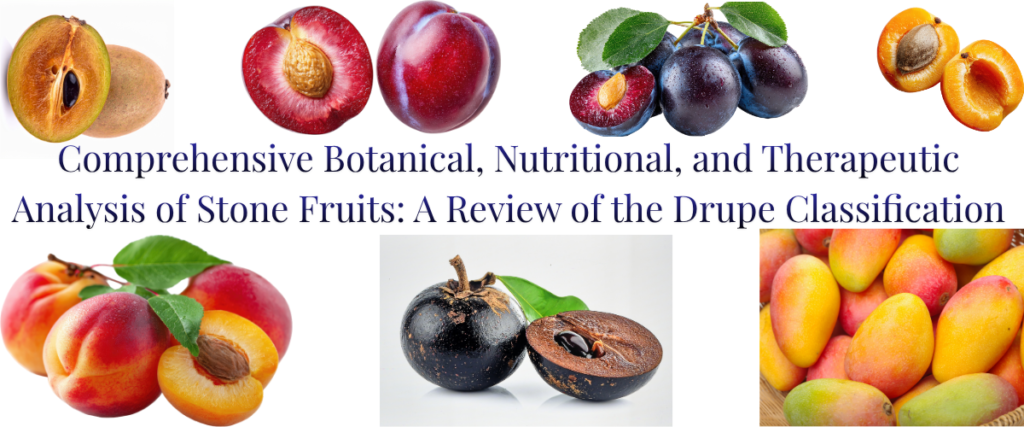
The classification of stone fruits, known in botanical discourse as drupes, represents a diverse group of angiosperms that play a fundamental role in human nutrition, agricultural economics, and therapeutic medicine. A drupe is defined as a simple fleshy fruit that typically contains a single seed, derived from a single ovary of an individual flower.1 The architectural hallmark of the drupe is its three-layered pericarp structure: the exocarp, which forms the outer skin or peel; the mesocarp, the thick and often succulent edible portion; and the endocarp, a lignified, stony interior that serves as a protective vessel for the reproductive kernel.2 This evolutionary strategy—the encapsulation of a vulnerable seed within a hardened shell, which is in turn surrounded by a nutrient-dense and attractive flesh—facilitates seed dissemination by animals while ensuring the seed survives the transit through digestive tracts.2
While popular culinary definitions often limit stone fruits to summer staples such as peaches, plums, and cherries, the botanical classification of drupes is remarkably extensive. It encompasses not only these members of the genus Prunus but also mangoes, olives, coconuts, coffee beans, almonds, pistachios, walnuts, and dates.3 Even aggregate fruits, such as raspberries and blackberries, are composed of clusters of tiny individual drupes termed “drupelets”.2 This report provides an exhaustive examination of the nutritional profiles, varietal nuances, health-promoting bioactive compounds, and post-harvest management of stone fruits, articulating their vital importance to human physiology and metabolic homeostasis.
Taxonomy and Morphological Diversity of Stone Fruit Varieties
The botanical diversity of stone fruits allows for a wide range of flavour profiles, textures, and nutritional signatures. The most common varieties found in global commerce belong to the genus Prunus, which includes a vast array of hybrids and cultivars designed for specific climatic adaptability and consumer preference.5
The Genus Prunus: Peaches, Nectarines, and Apricots
Peaches (Prunus persica) and nectarines are among the most celebrated stone fruits. Genetically, these two fruits are nearly identical, differing primarily by a single recessive gene that inhibits the development of fuzz on the nectarine’s skin.5 Peaches are further categorised by their stone adhesion—freestone varieties have stones that easily detach from the flesh, while clingstones have flesh that adheres tightly to the pit.5 Yellow peaches are traditionally known for a robust balance of sweetness and acidity, whereas white peaches possess an ivory base colour and a more delicate, mildly sweet, floral flavour profile with lower acidity.8 A notable variant is the Doughnut peach, characterised by a flat, dimpled shape and a candy-like sweetness.8
Nectarines mirror this yellow and white distinction. Yellow nectarines offer a dark red, smooth skin and a mildly acidic sweetness, while white nectarines are celebrated for their paper-thin skin, creamy white flesh, and decadent sweetness without the sharp acidic notes.8 Both fruits are rich in Vitamin C, which serves as a potent antioxidant, and Vitamin A, essential for vision and immune health.9
Apricots (Prunus armeniaca) are smaller relatives of the peach, identified by their smooth, velvety skin and deep orange hue, which signals a high concentration of beta-carotene.6 Unlike the high juice content of peaches, apricots have a firmer, creamier texture and a flavour that ranges from tart to sweet-tart.8 They are exceptionally high in Vitamin A precursors, providing critical support for ocular tissues and cellular regeneration.6
Plums, Prunes, and Hybrid Crosses
Plums exist in thousands of varieties, with skin colours ranging from crimson red and deep purple to bright yellow and even green.8 They are noted for their succulent, juicy flesh and a flavour profile that can vary from spicy-sweet to tart.8 Plums naturally develop a “bloom”—a whitish, silvery wax coating that protects the fruit from moisture loss and serves as an indicator of freshness.8 When dried, specific varieties of plums become prunes, which are significantly more nutrient-dense and contain higher concentrations of Vitamin K, B vitamins, and dietary fibre.15
The stone fruit category also includes innovative hybrids such as Apriums and Pluots. Apriums are a cross between an apricot and a plum but retain more apricot-like characteristics, including a smooth, slightly fuzzy skin and bright orange, juicy flesh.8 Pluots, conversely, are plum-leaning hybrids with mottled exterior colours and intense, sweet flesh that ranges from gold to ruby red.8 These hybrids are often bred for higher sugar content and reduced acidity, making them particularly palatable as fresh snacks.8
Exotic and Specialty Drupes: Mangoes, Loquats, and Jujubes
The classification of drupes extends to tropical and semi-tropical species that offer unique bioactive profiles. The mango (Mangifera indica) is a tropical drupe rich in Vitamin A, Vitamin C, and specialised antioxidants like mangiferin.6 Mangoes contain digestive enzymes that promote gut health and have been studied for their potential hepatoprotective effects.6
Loquats (Eriobotrya japonica) are small, yellow-to-orange fruits native to China that grow in clusters.17 They are valued for their high carotenoid content and have been used in traditional medicine to treat inflammation and respiratory issues.17 Jujubes (Ziziphus jujuba), also known as Chinese dates, are rich in polysaccharides and phenolic compounds.19 They are frequently consumed in dried forms and are recognised for their immunoregulatory and neuroprotective properties.19
| Common Stone Fruit | Botanical Name | Distinctive Features |
| Peach | Prunus persica | Fuzzy skin; yellow or white flesh; freestone or clingstone varieties 5 |
| Nectarine | Prunus persica var. nucipersica | Smooth skin; identical to peach but lacks fuzz gene 5 |
| Apricot | Prunus armeniaca | Small size; velvety skin; exceptionally high in beta-carotene 9 |
| Plum | Prunus domestica | Wide colour range; succulent flesh; may have protective “bloom” 8 |
| Cherry | Prunus avium (Sweet) / Prunus cerasus (Tart) | Small, round fruits; high in anthocyanins and melatonin 20 |
| Mango | Mangifera indica | Tropical drupe; contains mangiferin; rich in dietary fibre 6 |
| Loquat | Eriobotrya japonica | Small, clustered fruit; high provitamin A and potassium 17 |
| Jujube | Ziziphus jujuba | Also known as Chinese date; rich in polysaccharides and Vitamin C 19 |
Nutritional Composition and Antioxidant Synergy
Stone fruits are nutrient-dense powerhouses, providing a sophisticated matrix of vitamins, minerals, and phytonutrients. These fruits are generally low in calories but high in water and fibre, making them excellent choices for weight management and hydration.12
Micronutrient Density: Vitamins and Minerals
The primary vitamins found in stone fruits are Vitamin A, Vitamin C, and Vitamin K. Vitamin C is a water-soluble antioxidant that supports the immune system, facilitates iron absorption, and is critical for the synthesis of collagen, which maintains skin elasticity and joint health.6 Vitamin A, often found as provitamin A carotenoids like beta-carotene, is essential for maintaining vision, cellular growth, and immune function.6 Vitamin K, particularly prevalent in plums and prunes, plays a vital role in blood coagulation and bone metabolism.9
Minerals are also abundantly represented. Potassium is a key electrolyte found in significant quantities in apricots, peaches, and cherries.6 It is essential for nerve transmission, muscle function, and the regulation of blood pressure.6 Magnesium and phosphorus, found in loquats and plums, contribute to skeletal strength and energy production.15
The Bioactive Spectrum: Polyphenols and Carotenoids
The vivid colours of stone fruits are a direct result of their high concentrations of phytonutrients, which provide significant health benefits beyond basic nutrition. Anthocyanins, the blue and red pigments found in cherries and plums, are powerful antioxidants that protect cells from oxidative stress and inflammation.7
Phenolic acids, including chlorogenic acid and neochlorogenic acid, are widely distributed in the flesh and skin of peaches and apricots.12 These compounds have been studied for their ability to inhibit the proliferation of cancer cells and regulate glucose metabolism.7 Flavonoids such as quercetin and catechin, found in apricots and cherries, contribute to cardiovascular protection by strengthening blood vessels and reducing signs of systemic inflammation.12
| Nutrient / Compound | Primary Sources | Physiological Functions |
| Vitamin C | Peaches, Plums, Cherries | Immune support; collagen production; antioxidant 9 |
| Vitamin A (Beta-carotene) | Apricots, Mangoes, Loquats | Ocular health; skin regeneration; immune function 6 |
| Vitamin K | Plums, Prunes | Bone mineral density; blood clotting 9 |
| Potassium | Cherries, Apricots, Nectarines | Blood pressure regulation; muscle function 6 |
| Anthocyanins | Cherries, Red Plums | Anti-inflammatory; heart health; neuroprotection 7 |
| Chlorogenic Acid | Peaches, Apricots | Blood sugar regulation; anticancer potential 7 |
| Quercetin | Apricots, Cherries, Plums | Anti-allergy; lung health; vascular support 12 |
Clinical Implications for Cardiovascular and Metabolic Health
The integration of stone fruits into a balanced diet has profound implications for cardiovascular and metabolic stability. Chronic diseases such as hypertension, type 2 diabetes, and obesity are often driven by oxidative stress and systemic inflammation, both of which can be mitigated by the bioactive compounds in drupes.7
Regulation of Blood Pressure and Cholesterol
Cardiovascular health is heavily influenced by the balance of potassium and sodium. Stone fruits are naturally high in potassium and extremely low in sodium, a combination that helps relax blood vessels and lower blood pressure.6 Additionally, the soluble fibre content, particularly the pectin found in loquats and apricots, binds to bile acids in the intestine and facilitates their excretion, effectively lowering LDL (bad) cholesterol levels.10
Carotenoids and phenolic compounds in these fruits prevent the oxidation of LDL cholesterol, a critical step in the development of atherosclerosis (plaque buildup in the arteries).7 Regular consumption of anthocyanin-rich fruits like plums and cherries has been associated with improved vascular function and a reduced risk of cardiovascular death.14
Glycemic Control and Metabolic Syndrome
Despite their sweetness, stone fruits typically have a low glycemic index, meaning they do not cause rapid spikes in blood glucose levels.6 The dietary fibre present in these fruits slows the absorption of carbohydrates, promoting more stable blood sugar levels.16
Recent studies suggest that peaches and plums contain specific polyphenols that may fight metabolic syndrome—a group of risk factors including central obesity, high blood pressure, and insulin resistance.25 For example, chlorogenic acid and other hydroxycinnamates in peaches have shown potential in reducing triglyceride levels and improving insulin sensitivity.7 In loquats, fruit and leaf extracts have demonstrated the ability to lower blood sugar and increase insulin levels in animal models, suggesting a role in diabetes management.18
Gastrointestinal Dynamics and Microbiome Modulation
The digestive benefits of stone fruits are well-documented, primarily stemming from their unique fibre profiles and secondary metabolites. Efficient digestion is not merely about regularity; it involves the maintenance of a healthy gut microbiome, which is increasingly recognised as a cornerstone of systemic health.6
Fibre Synergy and Constipation Relief
Stone fruits provide a combination of soluble and insoluble fibre. Soluble fibre dissolves in water to form a gel-like substance that supports healthy gut bacteria and slows digestion, while insoluble fibre adds bulk to the stool and prevents constipation by speeding its passage through the colon.6
Prunes are particularly famous for their laxative properties, which exceed those of simple fibre supplements. This effectiveness is due to a triad of components: high fibre content, phenolic compounds that stimulate intestinal contractions, and sorbitol, a sugar alcohol that draws water into the colon to soften the stool.15 Research has shown that prunes are more effective than psyllium husk in improving stool frequency and consistency.15
Microbiome and Digestive Enzymes
Beyond fibre, some stone fruits contain specific enzymes and compounds that aid digestion. Mangoes, for instance, possess digestive enzymes that assist in the breakdown of proteins.6 In loquats, animal research suggests that the fruit can improve the mix of microbes in the gut, which may enhance overall metabolic and immune health.18 The anti-inflammatory effects of quercetin and anthocyanins also help protect the gastrointestinal lining from inflammatory conditions such as diverticulitis and acid reflux.24
Skeletal Integrity and Bone Metabolism
One of the more specialised benefits of certain stone fruits is their impact on bone health. Skeletal aging, characterised by a decrease in bone mineral density, leads to conditions such as osteoporosis and increased fracture risk.15
Vitamin K and Mineral Support
Plums and prunes are excellent sources of Vitamin K, a nutrient that is essential for the activation of osteocalcin, a protein that binds calcium to the bone matrix.9 A deficiency in Vitamin K is linked to lower bone density and a higher risk of fractures in postmenopausal women.24 Stone fruits also provide trace minerals like boron, magnesium, and manganese, all of which are involved in bone formation and the prevention of bone resorption (the breakdown of bone tissue).15
Reversing Bone Loss with Prunes
Clinical studies have highlighted prunes as a potentially powerful dietary intervention for bone health. Research indicates that regular prune consumption can not only prevent bone loss but may also help reverse existing bone density loss.15 This effect is thought to be mediated by the fruit’s ability to reduce systemic inflammation and oxidative stress, which are known to accelerate bone breakdown.15 Studies on postmenopausal women have shown that those who consume prunes daily maintain significantly higher bone mineral density in the spine and forearm compared to control groups.15
Therapeutic Applications of Tart Cherries
Tart cherries, specifically the Montmorency variety, have garnered significant attention in the scientific community for their potent anti-inflammatory and physiological effects. With over 110 published studies, they are frequently categorised as a “superfood” for the joints and for recovery.21
Management of Gout and Arthritis
Gout is a form of inflammatory arthritis caused by an excess of uric acid in the blood, leading to the formation of painful crystals in the joints. Tart cherries contain anthocyanins that inhibit the enzymes COX-1 and COX-2, similar to the action of non-steroidal anti-inflammatory drugs (NSAIDs).21 Consumption of tart cherry juice has been shown to lower levels of uric acid in the blood and reduce the frequency and severity of gout flare-ups.20 The anti-inflammatory potency of tart cherries is comparable to some commercially available antioxidant products, making them a natural alternative for managing arthritis pain.9
Exercise Recovery and Muscle Damage
For athletes and active individuals, tart cherries offer a mechanism for faster recovery. The antioxidants in cherries mitigate the oxidative stress and inflammation that occur after intense physical exertion.20 Clinical trials have demonstrated that drinking tart cherry juice for several days before and after strenuous exercise (such as marathon running) can reduce muscle pain and help muscles recover their strength more quickly.20 This makes them a highly effective natural supplement for exercise-induced muscle damage.21
Sleep Modulation and Melatonin
Tart cherries are one of the few natural food sources that contain significant levels of melatonin, the hormone that regulates the sleep-wake cycle.6 Research suggests that consuming tart cherry juice can improve both the duration and quality of sleep.20 This benefit is particularly valuable for individuals with insomnia or those suffering from jet lag, as it helps reset the body’s circadian rhythm without the need for synthetic sleep aids.20
Immunological and Pathological Considerations
While stone fruits are overwhelmingly beneficial, there are specific immunological and environmental factors that consumers should consider to maximise safety and efficacy. These include cross-reactive allergies and the management of agricultural residues.
Oral Allergy Syndrome (OAS)
Oral Allergy Syndrome, also known as Pollen-Food Allergy Syndrome, is a type of contact allergic reaction that occurs in individuals who are already sensitised to environmental pollens.35 The immune system mistakes the proteins in raw stone fruits for the proteins in pollens like birch or grass due to their structural similarity, a phenomenon known as cross-reactivity.35
Symptoms typically involve itching, tingling, or minor swelling of the lips, mouth, and throat shortly after eating raw fruit.35 Because the allergenic proteins in stone fruits are heat-labile, they are easily broken down by cooking, baking, or processing.35 Most individuals with OAS can safely consume stone fruits in cooked forms, such as jams, pies, or canned varieties.35 Peeling the fruit can also help, as allergenic proteins are often concentrated in the skin.36
| Pollen Trigger | Cross-Reactive Stone Fruits | Common Symptoms |
| Birch Pollen | Peaches, Plums, Apricots, Cherries, Nectarines 35 | Itching/tingling of mouth and throat; lip swelling 35 |
| Grass Pollen | Peaches, Apricots, Plums 36 | Mouth irritation; sneezing; runny nose 36 |
| Plane Tree Pollen | Peaches, Cherries 36 | Throat discomfort; occasional hives 36 |
Pesticide Management and the “Dirty Dozen”
Stone fruits are frequently cited for having high levels of pesticide residue due to their thin, edible skins and vulnerability to pests and fungal diseases.40 According to the Environmental Working Group (EWG) 2024-2026 analyses, peaches, nectarines, and cherries consistently rank on the “Dirty Dozen” list—the 12 fruits and vegetables most contaminated with pesticides.40 Common residues include fungicides like fludioxonil and systemic pesticides that can be absorbed into the fruit’s flesh.40
To mitigate exposure, consumers are encouraged to purchase organic stone fruits whenever possible.40 For conventional produce, a 2025 study confirmed that soaking fruit in a baking soda solution is more effective than plain water at removing surface residues.43 The recommended ratio is 1 teaspoon of baking soda per 2 cups of water, with a soak time of 12 to 15 minutes.43
| Cleaning Method | Effectiveness in Pesticide Removal | Considerations |
| Plain Running Water | Removes ~17% to 80% of surface residues 45 | Most common method; removes dirt and some microbes 45 |
| 10% Salt Water | Removes ~70% of residues 45 | Helps remove surfactants that make pesticides stick 45 |
| 1% Baking Soda | Up to 100% removal of surface residues (15 min) 45 | Alkaline environment breaks down chemical bonds 44 |
| Peeling | Highly effective for surface residues 47 | Removes beneficial fibre and nutrients found in skin 30 |
Selection, Ripening, and Post-Harvest Science
The sensory quality and nutritional potency of stone fruits are highly dependent on proper handling after purchase. Unlike non-climacteric fruits like citrus or grapes, many stone fruits continue to ripen off the tree.49
The Ethylene Ripening Method
Stone fruits release ethylene gas ( ), a natural plant hormone that triggers the ripening process.49 To accelerate the ripening of firm peaches or plums at home, they can be placed in a loosely closed paper bag at room temperature.50 The bag traps the ethylene gas while allowing sufficient airflow to prevent mould, which can occur in plastic bags.49 Adding a banana or an apple to the bag will further speed up the process, as these fruits are high ethylene producers.51
Indicators of Peak Ripeness
Ripeness is determined by three factors: aroma, colour, and texture. A ripe stone fruit will emit a sweet, noticeable fragrance and will yield slightly when pressed gently near the stem.10 While colour can be an indicator, it is not always definitive, as some modern varieties are bred for deep red colour even before they are fully ripe.8 For peaches, the background colour (the non-red part) should be yellow or creamy ivory rather than green.8
Storage for Longevity
Once stone fruits reach peak ripeness, they should be moved to the refrigerator’s crisper drawer to slow down the metabolic process and prevent over-ripening or spoilage.49 Refrigerated ripe fruit can typically last for up to a week.50 If an abundance of fruit is available, stone fruits can be sliced and frozen for long-term use in smoothies, sauces, or desserts, which preserves most of their vitamin and antioxidant content.20
Conclusion: A Synthesis of Botanical and Therapeutic Value
The examination of stone fruits through a botanical and nutritional lens reveals a class of produce that is integral to human health optimisation. These drupes are more than mere seasonal delicacies; they are complex biological systems that offer targeted protection against the leading causes of chronic disease. From the cardiovascular benefits of potassium and anthocyanins to the skeletal support provided by Vitamin K and minerals, stone fruits address the multifaceted needs of the human body.6
The therapeutic versatility of species like the tart cherry for joint health and the prune for bone density highlights the potential for “food as medicine.” Furthermore, the evolutionary design of the drupe—with its nutrient-dense mesocarp and protective endocarp—serves as a reminder of the intricate relationship between plant biology and human nutrition.2 By understanding how to select, ripen, and clean these fruits, consumers can maximise their dietary intake of bioactive compounds while minimising exposure to agricultural residues.44 Integrating a variety of stone fruits throughout the year, whether fresh, frozen, or dried, remains a powerful and accessible strategy for promoting long-term wellness and metabolic vitality.15
Disclaimer
The information provided in this report is for educational and informational purposes only and should not be construed as professional medical advice, diagnosis, or treatment.55 The content does not establish a clinician-client relationship.58 Always consult with a qualified healthcare provider, such as a physician or registered dietitian, before making significant changes to your diet, exercise, or lifestyle, particularly if you have existing medical conditions, allergies (such as Oral Allergy Syndrome), or are taking medications.57 Use of the information contained herein is at the individual’s own risk, and no guarantees are made regarding specific health outcomes.55 In the event of a medical emergency or severe allergic reaction (anaphylaxis), contact emergency services immediately.35
Works cited
- accessed on May 5, 2026, https://www.britannica.com/science/drupe#:~:text=drupe%2C%20in%20botany%2C%20simple%20fleshy,ovary%20of%20an%20individual%20flower.
- Drupe | Definition & Examples – Britannica, accessed on May 5, 2026, https://www.britannica.com/science/drupe
- Horticultural Terms | Garden Notes – UC Agriculture and Natural Resources, accessed on May 5, 2026, https://ucanr.edu/blog/garden-notes/article/horticultural-terms-9
- The Differences Between Drupes, Berries, Nuts and More Explained, accessed on May 5, 2026, https://www.piedmontmastergardeners.org/article/the-differences-between-drupes-berries-nuts-and-more-explained/
- Drupe – Wikipedia, accessed on May 5, 2026, https://en.wikipedia.org/wiki/Drupe
- 10 Stone Fruits to Include in Your Diet – Frutas Poveda, accessed on May 5, 2026, https://frutaspoveda.com/en/10-stone-fruits-to-include-in-your-diet/
- Antioxidant Properties of Stone Fruits – News-Medical.Net, accessed on May 5, 2026, https://www.news-medical.net/life-sciences/Antioxidant-Properties-of-Stone-Fruits.aspx
- Stone Fruit Varietal Overview – Veritable Vegetable, accessed on May 5, 2026, https://veritablevegetable.com/stone-fruit/
- Stone Fruit Season & Nutrition | Dole, accessed on May 5, 2026, https://www.dole.com/blog/stone_fruit_season
- Stone Fruit | Greater Chicago Food Depository, accessed on May 5, 2026, https://www.chicagosfoodbank.org/ingredients/stonefruit/
- What to Know about Stone Fruit – A Healthier Michigan, accessed on May 5, 2026, https://www.ahealthiermichigan.org/stories/food-and-recipes/what-to-know-about-stone-fruit
- Apricots: Health Benefits, Nutrition, and Uses – WebMD, accessed on May 5, 2026, https://www.webmd.com/diet/health-benefits-apricots
- Nutritional Quality of New York Peaches and Apricots, accessed on May 5, 2026, https://nyshs.org/wp-content/uploads/2016/10/3.Nutritional-Quality-of-New-York-Peaches-and-Apricots.pdf
- Prune Plum and Plum: Two Blue Sisters with Powerful Benefits – Rauch Fruchtsäfte, accessed on May 5, 2026, https://www.rauch.cc/blog/healthy-lifestyle/prune-plum-and-plum-two-blue-sisters-with-powerful-benefits
- 7 Health Benefits of Plums and Prunes – Healthline, accessed on May 5, 2026, https://www.healthline.com/nutrition/benefits-of-plums-prunes
- What is Stone Fruit? Varieties, Recipes, and More – Ralphs, accessed on May 5, 2026, https://www.ralphs.com/blog/food/all-about-stone-fruit
- 7 Surprising Benefits of Loquats – Healthline, accessed on May 5, 2026, https://www.healthline.com/nutrition/loquats
- Health Benefits of Loquat – WebMD, accessed on May 5, 2026, https://www.webmd.com/diet/health-benefits-loquat
- Research advances in bioactive components and health benefits of jujube (Ziziphus jujuba Mill.) fruit – PMC, accessed on May 5, 2026, https://pmc.ncbi.nlm.nih.gov/articles/PMC8214949/
- 6 Benefits of Cherries: A Complete Nutritional Breakdown – GoodRx, accessed on May 5, 2026, https://www.goodrx.com/well-being/diet-nutrition/benefits-of-cherries
- Science Behind Tart Cherries – Cherry Marketing Institute, accessed on May 5, 2026, https://www.usacherries.com/science-behind-tart-cherries
- SUMMER FRESH! STONE FRUITS, accessed on May 5, 2026, https://www.nrpa.org/contentassets/5b0ec2eabdb640a2827272f4f2021c07/foods-of-the-month-stone-fruit.pdf
- Juicy Facts about Stone Fruits | DaVita, accessed on May 5, 2026, https://davita.com/diet-nutrition/kidney-diet-tips/juicy-facts-about-stone-fruits/
- What Is Stone Fruit? Top 16 Stone Fruits and Their Benefits – Dr. Axe, accessed on May 5, 2026, https://draxe.com/nutrition/stone-fruit/
- The Sweet Health Benefits Inside Stone Fruit | Heinen’s Grocery Store, accessed on May 5, 2026, https://www.heinens.com/stories/the-sweet-health-benefits-inside-stone-fruit/
- Stone Fruit, The Superfood | Western Missouri Medical Center, accessed on May 5, 2026, https://wmmc.com/stone-fruit-the-superfood/
- Health & Wellness | Articles | Peaches, Nectarines and Plums, Oh, My! – Cambridge Supermarket, accessed on May 5, 2026, https://www.cambridgesupermarket.com/health_wellness/articles/128/peaches-nectarines-and-plums-oh-my
- Loquat Health Benefits: A Comprehensive Guide to This Nutritious Fruit, accessed on May 5, 2026, https://www.getlabtest.com/news/post/loquat-health-benefits
- HEALTH BENEFITS OF PEACHES AND PLUMS, accessed on May 5, 2026, https://my.ucanr.edu/repository/a/?a=92584
- APPLES, PEACHES, PEARS, PLUMS AND APRICOTS – Local Foods, accessed on May 5, 2026, https://localfoods.osu.edu/sites/localfoods/files/imce/Apples%20pears%20peaches.pdf
- Health benefits of anthocyanins against age-related diseases – Frontiers, accessed on May 5, 2026, https://www.frontiersin.org/journals/nutrition/articles/10.3389/fnut.2025.1618072/full
- Role of Phytonutrients in the Prevention and Treatment of Chronic Diseases: A Concrete Review | ACS Omega, accessed on May 5, 2026, https://pubs.acs.org/doi/10.1021/acsomega.4c02927
- Phytonutrients: Sources, bioavailability, interaction with gut microbiota, and their impacts on human health – PMC, accessed on May 5, 2026, https://pmc.ncbi.nlm.nih.gov/articles/PMC9424995/
- Tart Cherries: Health Benefits & How to Use Them – Nature’s Garden, accessed on May 5, 2026, https://naturesgarden.net/blogs/tips/health-guides-tart-cherries-awesome-fruit-benefits
- Oral Allergy Syndrome (OAS): Symptoms & Treatment – Cleveland Clinic, accessed on May 5, 2026, https://my.clevelandclinic.org/health/diseases/23996-oral-allergy-syndrome
- What is Oral Allergy Syndrome (OAS)?, accessed on May 5, 2026, https://allergyasthmanetwork.org/health-a-z/oral-allergy-syndrome/
- Oral Allergy Syndrome, accessed on May 5, 2026, https://www.allergyasc.com/oas
- Cross Reactivity & Food Allergies – Thermo Fisher Scientific, accessed on May 5, 2026, https://www.thermofisher.com/diagnostic-education/patient/ca/en/understanding-allergies/cross-reactivity.html
- ORAL ALLERGY SYNDROME (OAS) – Stanford Health Care, accessed on May 5, 2026, https://stanfordhealthcare.org/content/dam/SHC/clinics/menlo-medical-clinic/docs/Allergy/Oral%20Allergy%20Syndrome.pdf
- EWG’s Shopper’s Guide to Pesticides in Produce | Summary, accessed on May 5, 2026, https://www.ewg.org/foodnews/summary.php
- Dirty Dozen Produce List: 10-Year EWG Comparison + Shopping Tips – Remi Rose Nutrition, accessed on May 5, 2026, https://remirosenutrition.com/blog/ewg-dirty-dozen-produce
- Dirty Dozen & Clean Fifteen 2026: EWG’s Updated List – Organic Food Guides, accessed on May 5, 2026, https://organicfoodguides.com/dirty-dozen-and-clean-fifteen/
- accessed on May 5, 2026, https://anhco.org/blog/baking-soda-to-remove-pesticides-a-natural-solution-for-cleaner-produce#:~:text=A%20common%20question%20is%3A%20how,per%201%20gallon%20of%20water
- Baking Soda to Remove Pesticides A Natural Solution for Cleaner Produce – anhco, accessed on May 5, 2026, https://anhco.org/blog/baking-soda-to-remove-pesticides-a-natural-solution-for-cleaner-produce
- How to Wash Vegetables and Fruits to Remove Pesticides – Food Revolution Network, accessed on May 5, 2026, https://foodrevolution.org/blog/how-to-wash-vegetables-fruits/
- Cleaning pesticides and bacteria off of produce : r/ScienceBasedParenting – Reddit, accessed on May 5, 2026, https://www.reddit.com/r/ScienceBasedParenting/comments/1rj3mgm/cleaning_pesticides_and_bacteria_off_of_produce/
- How can I wash pesticides from fruit and veggies?, accessed on May 5, 2026, https://npic.orst.edu/faq/fruitwash.html
- Does Baking Soda Really Remove Pesticides from Fruits? – YouTube, accessed on May 5, 2026, https://www.youtube.com/shorts/kwQwLGADBCU
- How to Ripen Fruit the Right Way – Gourmet Gift Baskets, accessed on May 5, 2026, https://www.gourmetgiftbaskets.com/Blog/post/how-to-ripen-fruit.aspx
- Storage Guide – Summerfruit SA | Summer Stonefruit of South Australia, accessed on May 5, 2026, https://summerfruitsa.com.au/storage-guide
- The Surefire Way To Ripen Peaches At Home – The Takeout, accessed on May 5, 2026, https://www.thetakeout.com/1932611/ripen-peaches-in-paper-bag-home/
- accessed on May 5, 2026, https://www.gourmetgiftbaskets.com/Blog/post/how-to-ripen-fruit.aspx#:~:text=Quick%20Reference%3A%20How%20to%20Ripen%20Common%20Fruits&text=As%20Cam%20puts%20it%2C%20%E2%80%9CEverything,once%20fruits%20hit%20peak%20ripeness.
- Stone Fruit – Hungry Harvest, accessed on May 5, 2026, https://hungryharvest.net/stonefruit
- Tips for Ripening your Fruit – Brothers Produce of NJ, accessed on May 5, 2026, https://www.brothersproducenj.com/tips-for-ripening-your-fruit/
- Medical Disclaimer Examples – Termly, accessed on May 5, 2026, https://termly.io/resources/articles/medical-disclaimer-examples/
- Medical Disclaimer Template – TermsFeed, accessed on May 5, 2026, https://www.termsfeed.com/blog/medical-disclaimer-template/
- Medical Disclaimer | Z Dietitian, accessed on May 5, 2026, https://www.zdietitian.com/medical-disclaimer
- Disclaimer – Nutricare, Registered Dietitian, Nutritionist, accessed on May 5, 2026, https://www.nutricarewellnessrd.com/disclaimer/
- Disclaimer – Diet Culture Rebel, accessed on May 5, 2026, https://dietculturerebel.com/disclaimer