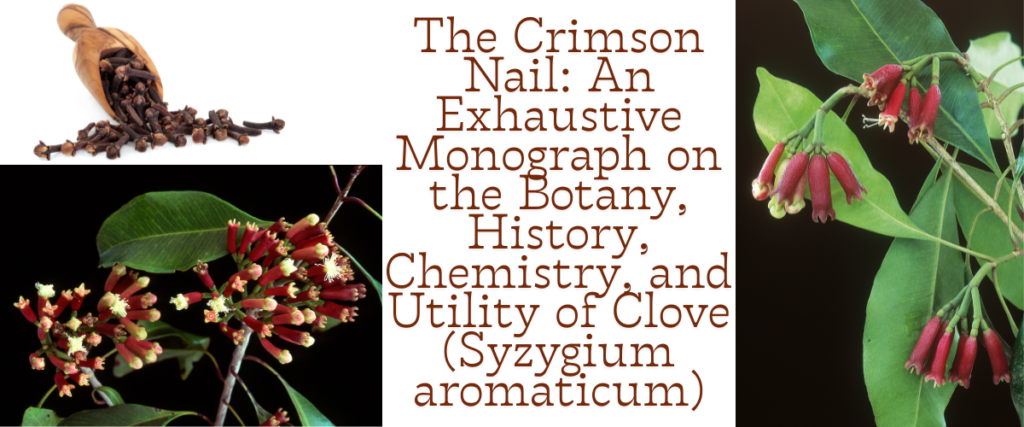
In the vast and aromatic lexicon of global spices, few entries possess the historical gravity, the chemical potency, or the enduring cultural ubiquity of the clove. Scientifically designated as Syzygium aromaticum, this dried flower bud has, for nearly four millennia, served as a catalyst for human interaction, a driver of economic warfare, and a cornerstone of traditional and modern medicine.1 To the uninitiated, the clove is merely a pantry staple—a small, dark, nail-shaped spice often relegated to the back of a cabinet, awaiting the winter holidays to perfume a ham or spice a pumpkin pie. However, a deeper examination reveals that this unassuming bud is a botanical powerhouse that has shaped the geopolitical map of the world and continues to offer profound therapeutic benefits to modern science.
The etymology of the word “clove” itself serves as a linguistic fossil, preserving the way ancient cultures viewed its morphology. The English term emerges in the 15th century from the Middle English clow of gilofer, which traces its lineage back to the Old French clou de girofle and, ultimately, the Latin clavus, meaning “nail”.2 This descriptor is physically accurate: the spice consists of a long, tapered calyx (the stem) topped by a bulbous, unopened floral head. When dried, it assumes the rigid, rust-colored appearance of a rusted iron nail. Yet, unlike iron, this “nail” is rich in volatile oils, primarily eugenol, which grant it an aroma so intense that a single bud can alter the flavour profile of an entire pot of stew.
The story of the clove is not merely a culinary one; it is a narrative of exploration, monopoly, and espionage. Indigenous exclusively to a handful of volcanic islands in the Indonesian archipelago known as the Moluccas (or the Spice Islands), the clove was once so valuable that it drove the Portuguese, Spanish, Dutch, and British empires to sail into the unknown.1 It was a commodity worth its weight in gold, a preservative that allowed food to survive the winters of medieval Europe, and a breath freshener required by the etiquette of the Han Dynasty courts in China.1 Today, while the bloodshed of the “Spice Wars” has faded into history, the clove remains a vital economic crop for nations like Indonesia, Madagascar, and Tanzania, and a subject of intense scrutiny in biomedical research laboratories investigating its potential to treat diabetes, combat cancer, and preserve oral health.5
This report aims to provide a comprehensive, expert-level analysis of Syzygium aromaticum. We will traverse its botanical origins in the rich volcanic soils of Ternate and Tidore, dissect the molecular architecture of its essential oils, explore its pivotal role in global gastronomy from the curries of India to the sauces of the West, and evaluate the clinical evidence supporting its medicinal applications. We will also address the critical issues of safety, toxicology, and quality assurance, ensuring that the modern consumer can navigate the use of this potent spice with both appreciation and caution.
Botanical Profile and Agricultural Ecology
To understand the value of the clove, one must first understand the organism that produces it. Syzygium aromaticum is not a shrub or a fleeting annual plant; it is a majestic, long-lived tropical tree that demands specific environmental conditions to thrive.
Taxonomy and Lineage
The clove tree belongs to the family Myrtaceae (the myrtle family), a vast botanical group that includes other aromatic heavyweights such as allspice (Pimenta dioica), guava (Psidium guajava), and the eucalyptus genus.1 This familial connection is significant; the Myrtaceae family is renowned for producing species rich in essential oils, particularly in their foliage and floral structures.
Within this family, the clove is classified under the genus Syzygium. The genus name is derived from the Greek word syzygos, meaning “joined” or “yoked,” a reference to the paired leaves and branchlets that characterise the growth pattern of many species in this group.3 The specific epithet, aromaticum, requires little translation—it flags the tree as the most fragrant member of its kin. Over the centuries, taxonomists have applied various synonyms to the species, including Eugenia caryophyllata, Caryophyllus aromaticus, and Eugenia aromatica.2 However, Syzygium aromaticum remains the accepted nomenclature in modern botany.
Morphology and Growth Cycle
Syzygium aromaticum is a tropical evergreen tree that, in its maturity, presents a striking silhouette. It typically grows to a height of 15 to 30 feet (approximately 4.5 to 9 meters), although wild or unpruned specimens can reach taller statures.3 The canopy is dense and pyramidal, composed of simple, opposite leaves that are leathery in texture and glossy green in appearance. Like the flower buds, these leaves are dotted with oil glands; when crushed, they release a scent similar to the spice, though more herbaceous.
The lifecycle of the clove tree is one of patience. A seedling requires several years of careful tending before it begins to flower, and it may not reach peak productivity for nearly two decades. However, once established, the trees are incredibly long-lived. The most famous example of this longevity is “Afo I,” a legendary clove tree on Ternate Island in Indonesia. “Afo I” was estimated to be over 400 years old before its demise in the early 21st century.1 It was more than just a botanical curiosity; it was a historical monument, believed to be the genetic mother of all cloves grown outside of Indonesia today (a narrative we will explore in the historical section). Its successor, “Afo III,” currently stands at approximately 230 years old, continuing this ancient lineage.1
The Floral Harvest
The “clove” of commerce is the flower bud of the tree, harvested at a precise moment in its phenological cycle. The tree produces flowers in terminal clusters. The maturation process of these buds is a visual indicator for the harvester:
- Pale Stage: The buds appear initially as pale, almost white protuberances.
- Green Stage: As they mature, they transition to a deep, vibrant green.
- Crimson Stage: Finally, the buds turn a bright reddish-brown or crimson.
It is at this third stage—just before the purple and white petals unfold and the flower blooms—that the buds must be picked.1 If the flower is allowed to open, the fertilisation process begins, the oil content drops, and the delicate balance of aromatics is lost. Once harvested, the buds are dried in the sun or using artificial heat until they lose two-thirds of their weight and harden into the dark brown, woody “nails” found in spice jars. The head of the dried clove consists of the unopened petals (the corolla) enclosing the reproductive organs (stamens and style), while the “stem” is actually the calyx tube.3
Geographical Ecology and Cultivation
The clove is a creature of the tropics, but not just any tropical environment will suffice. It demands a maritime climate with high humidity and consistent rainfall. The tree is intolerant of waterlogging, necessitating deep, fertile, well-draining loams.3 Volcanic soil, rich in minerals, is the ideal substrate, which explains its evolutionary origin in the “Ring of Fire.”
The Indigenous Cradle:
Until the colonial era, Syzygium aromaticum grew exclusively on a chain of five small volcanic islands in the North Maluku province of Indonesia: Ternate, Tidore, Moti, Makian, and Bacan.2 This extreme geographic restriction is what made the spice so rare and valuable in the ancient world. The microclimate of these islands—hot, humid, with volcanic soil constantly replenished by geological activity—created the perfect laboratory for the evolution of this species.4
Global Diffusion:
Today, the cultivation of cloves has spread far beyond the Moluccas, largely due to 18th-century biopiracy.
- Indonesia: Remains the world’s largest producer. However, the domestic demand for cloves is so high—driven by the massive industry for kretek (clove-blended cigarettes)—that Indonesia consumes 85% to 90% of its own crop and often imports cloves to meet the deficit.5
- Madagascar: A major global exporter, producing high-quality cloves derived from the stolen stock introduced by the French.
- Tanzania (Zanzibar and Pemba): Once the world’s leading producer, these “Spice Islands” of Africa remain synonymous with clove production, with the industry deeply woven into their history and economy.5
- Other Producers: Sri Lanka, Comoros, and Brazil also contribute significantly to the global supply chain.5
Pathological Threats
Despite its hardiness, the clove tree is vulnerable to specific agricultural threats that can devastate plantations.
- Sumatra Disease: This bacterial infection attacks the tree’s vascular system (xylem), causing rapid dieback and death. It has historically caused significant losses in Indonesian production.3
- Eucalyptus Canker: A fungal disease that affects the bark and cambium, weakening the structural integrity of the tree.
- Pests: Scale insects and mealybugs can infest the canopy, sucking sap and promoting the growth of sooty mould, which inhibits photosynthesis.3
The Gilded and Bloody History of the Clove Trade
The history of the clove is a dramatic saga that serves as a microcosm for the history of global trade itself. It involves ancient mysteries, the rise of maritime empires, brutal colonial monopolies, and high-stakes botanical espionage.
Ancient Networks: The Mystery of the Source
Long before European mapmakers knew of the existence of the Moluccas, cloves were circulating through the “Maritime Silk Road.” The logistical complexity of this ancient trade is staggering.
- Mesopotamia (1720 BCE): The earliest physical evidence of cloves was discovered by archaeologist Giorgio Buccellati in Terqa, Syria, in a burned-down house dated to 1720 BCE.2 The presence of a spice indigenous only to islands thousands of miles away implies that a trade network connecting Indonesia to the Middle East existed nearly 4,000 years ago during the Bronze Age.
- China (200 BCE): Written records from the Han Dynasty describe cloves (referred to as “chicken-tongue spice” due to their shape) reaching the imperial court. Envoys wishing to address the Emperor were required to hold cloves in their mouths to sweeten their breath, marking one of the earliest recorded uses of the spice for oral hygiene.1
- The Roman Empire & Middle Ages: By the first century AD, cloves had reached Rome. By the late Middle Ages, they were a prized luxury in Europe, used to preserve meats and garnish the banquets of the aristocracy.1 However, the European consumer had no idea where they came from. The trade was controlled by intermediaries—Javanese sailors sold to Indian traders, who sold to Arabs, who sold to Venetians. Each link in the chain added profit and obscured the source, creating a “complex, secret system” that kept prices astronomically high.4
The Age of Discovery: The Race for the Spice Islands
The exorbitant price of spices like clove and nutmeg was the primary economic engine behind the European Age of Discovery. The desire to bypass the Venetian and Arab middlemen and find the source of these spices drove Christopher Columbus to the Americas and Vasco da Gama around Africa.
The Portuguese Era (16th Century):
The Portuguese were the first Europeans to unlock the secret. In 1512, shortly after conquering Malacca, Portuguese navigators Francisco Serrão and Antonio de Abreu reached the Moluccas.8 They found the clove trees growing on the volcanic slopes of Ternate and Tidore. For nearly a century, the Portuguese controlled the flow of cloves to Europe, reaping immense fortunes.1
The Dutch East India Company (VOC) and the Era of Extirpation:
In the 17th century, the Dutch ousted the Portuguese and established the Dutch East India Company (VOC), arguably the most powerful corporation in history. The Dutch approach to the clove trade was one of ruthless monopolistic control.
- Consolidation: To control prices, the Dutch decided that cloves were too widely available. They sought to restrict cultivation to a single island, Ambon, and a few surrounding areas.
- Extirpation (Hongi Raids): The VOC launched annual expeditions known as Hongi voyages. Soldiers would sail to unauthorised islands and forcibly cut down or burn every clove tree they found.1 This policy of “extirpation” was a demographic and ecological catastrophe. The Moluccan people, whose culture and economy revolved around the trees (planting a clove tree was often associated with the birth of a child), were devastated. The Dutch imposed the death penalty on anyone caught growing or trading cloves outside the VOC monopoly.
The French Heist: Pierre Poivre
Monopolies, however, breed smugglers. The man who broke the Dutch stranglehold was a one-armed French missionary and horticulturalist named Pierre Poivre (whose name literally translates to Peter Pepper). In 1770, engaging in a feat of botanical espionage, Poivre organised an expedition to the Spice Islands. Under the noses of the Dutch, his agents managed to smuggle fresh clove seeds (and nutmegs) out of the archipelago.1
Poivre transported these seeds to the French colonies of Isle de France (Mauritius) and Bourbon (Réunion). The trees thrived in the new soil. This act of theft permanently broke the geographic containment of Syzygium aromaticum. From Mauritius, the trees were taken to the Seychelles and, most significantly, to Zanzibar.
Zanzibar and the shifting Center of Gravity
By the early 19th century, the Sultan of Oman moved his capital to Zanzibar, off the coast of East Africa, and enforced the cultivation of cloves. Zanzibar and its sister island, Pemba, became the world’s largest producers, supplying the majority of the global market.5 This era, however, is stained by the reality that the massive plantations of Zanzibar were built and maintained through the labour of enslaved Africans.7 The democratisation of the spice—making it affordable for the common person in Europe and America—was driven by this shift in production centres.
Phytochemistry and Nutritional Analysis
The value of the clove—historically and medically—lies in its chemistry. It is not merely a source of flavour but a capsule of bioactive compounds.
The Power of Eugenol
The defining chemical characteristic of Syzygium aromaticum is the incredibly high concentration of essential oil in the buds, which can constitute up to 15-20% of the dried weight. Of this oil, 70% to 90% is a single phenylpropene compound: Eugenol.10
Chemical Profile of Eugenol:
- IUPAC Name: 4-allyl-2-methoxyphenol
- Formula: C₁₀H₁₂O₂ 11
- Structure: It is an allylic substituted guaiacol, appearing as a pale yellow oily liquid with a spicy, pungent odour.12
- Properties: Eugenol is a weak acid (pKa 10.19) and is lipophilic (fat-soluble), which allows it to penetrate cell membranes and fatty tissues easily.13
Mechanism of Action:
- Analgesia: Eugenol acts similarly to local anesthetics (like lidocaine). It blocks the voltage-gated sodium channels in neurons, preventing the transmission of pain signals to the brain. This is the precise mechanism that makes it effective for toothaches.14
- Antioxidant: The phenolic structure of eugenol allows it to donate hydrogen atoms to free radicals, neutralising them. This potent antioxidant activity protects cells from oxidative stress.15
- Antimicrobial: Eugenol disrupts the cell walls of bacteria and fungi, causing leakage of cellular contents and cell death. It is effective against a broad spectrum of pathogens, including E. coli and Candida albicans.6
In addition to eugenol, cloves contain $\beta$-caryophyllene (a terpene with anti-inflammatory properties), acetyl eugenol, and tannins, which provide astringency.4
Nutritional Composition
While usually consumed in small quantities, cloves are nutritionally dense. They are particularly rich in Manganese, a trace mineral essential for bone formation, blood clotting, and reducing inflammation.
Table 1: Nutritional Value of Ground Cloves (per 10g / approx. 1 tbsp)
Source: Aggregated from USDA and nutritional databases 16
| Nutrient | Amount | % Daily Value (DV)* | Function |
| Energy | 27 kcal | 1% | – |
| Fiber | 3.4 g | 14% | Supports digestive health. |
| Manganese | 6.0 mg | ~260% | Critical for bone health and metabolism. |
| Vitamin K | 14.2 μg | 12% | Essential for blood clotting. |
| Vitamin C | 0.8 mg | 1% | Immune support (negligible in dried form). |
| Calcium | 63 mg | 6% | Bone and tooth structure. |
| Magnesium | 26 mg | 6% | Muscle and nerve function. |
| Eugenol | ~1500 mg | N/A | Primary bioactive compound. |
Note: DV percentages are approximate based on a standard 2000-calorie diet. The manganese content is exceptionally high; just 2 grams (less than a teaspoon) provides over 50% of the daily requirement.
Culinary Anthropology and Gastronomy
The flavour of clove is a paradox: it is simultaneously sweet and bitter, hot and numbing. This complexity allows it to function as a “bridge spice,” connecting savoury proteins with sweet aromatics in cuisines across the globe.
The Indian Subcontinent: The Foundation of Spice
In India, cloves are not an optional garnish but a structural element of flavour.
- Garam Masala: Cloves are a key component of this warming spice blend (along with cinnamon, cardamom, and black pepper). The blend is added towards the end of cooking to preserve the volatile oils.19
- Biryani: In the preparation of Biryani, whole cloves are “bloomed” in hot ghee or oil at the very beginning of the process. This oil-soluble extraction infuses the fat with eugenol, which then coats every grain of rice and piece of meat. The clove provides a deep, floral back-note that cuts through the richness of the dish.20
- Masala Chai: The iconic spiced tea of India relies on cloves for its “heat.” While ginger provides a sharp burn, cloves provide a lingering, numbing warmth that complements the tannins of strong black tea and the creaminess of milk.20
The Middle East: Depth and Warmth
Middle Eastern cuisine utilises cloves to add earthiness to grain and meat dishes.
- Baharat: This ubiquitous spice blend (Arabic for “spices”) varies by region but almost always includes ground cloves. It is used to rub lamb, chicken, and beef before grilling.
- Mujadara: While recipes vary, many versions of this lentil and rice dish use cloves (often via a spice mix) to sweeten the savoury profile of caramelised onions. The clove notes elevate the humble lentils into a fragrant feast.21
- Rice Pilafs: Whole cloves are often steamed with Basmati rice, sometimes studded into an onion to allow for easy removal before serving.
East Asia: The Five-Flavour Balance
- China: The philosophy of Chinese cooking often revolves around the balance of five flavours: sweet, sour, bitter, pungent, and salty. Five-Spice Powder (wǔxiāng fěn) is the physical embodiment of this philosophy. It consists of cloves, star anise, fennel, cassia (cinnamon), and Sichuan pepper.1 Here, the clove contributes the “pungent” and “sweet” elements. This blend is crucial for dishes like red-braised pork belly and Peking duck.
The West: From Hams to Worcesters
In Western cuisine, cloves have a dual identity.
- The Sweet: They are inextricably linked to “Pumpkin Pie Spice” and holiday baking (gingerbread, speculoos). The combination of clove, cinnamon, and nutmeg is the scent of the Western winter.1
- The Savoury: Despite the association with dessert, cloves are a secret weapon in savoury Western sauces.
- Worcestershire Sauce: The complex, fermented flavour of this sauce relies heavily on cloves.
- Ketchup: Early ketchup recipes and modern artisanal versions use cloves to balance the acidity of tomatoes and vinegar.
- Onion Pique: A classic French technique involves stuffing a peeled onion with a bay leaf and whole cloves. This is dropped into milk (for Béchamel sauce) or stocks. The onion infuses the liquid with flavour, while the cloves remain secured, preventing the diner from biting into a whole spice.
Beverage Culture
Beyond solid food, cloves are a primary flavouring for beverages.
- Mulled Wine (Wassail): In Europe, red wine heated with citrus, cinnamon, and cloves is a traditional winter drink. The cloves release eugenol into the alcohol, creating a warming sensation that is both physical (from temperature) and chemical (from the spice).1
- Clove Tea: A simple infusion of cloves in hot water is consumed both for enjoyment and as a throat soother. (See Part VI for preparation details.)
Therapeutic Applications and Medical Research
The separation between the kitchen and the pharmacy is a relatively modern invention. For centuries, cloves have inhabited both. Modern science is now catching up with traditional wisdom, using clinical trials to validate the pharmacological effects of Syzygium aromaticum.
Dentistry and Oral Health: The Gold Standard
The most famous medical application of cloves is in dentistry. The smell of a dentist’s office is often the smell of eugenol.
- Clinical Evidence: The efficacy of clove oil is not placebo. A randomised, single-blinded active-controlled clinical study compared the effectiveness of Clove Gel versus 20% Benzocaine Gel (a standard pharmaceutical topical anesthetic) in children. The study aimed to reduce pain during the insertion of needles for anesthesia. The results showed that clove oil was as effective as benzocaine in reducing pain scores.14
- Implication: This suggests that clove oil is a legitimate, low-cost alternative to synthetic anesthetics, particularly valuable in rural or low-income healthcare settings where access to pharmaceuticals may be limited.
- Periodontal Health: Beyond pain relief, the antibacterial properties of eugenol help reduce the bacterial load in the mouth, potentially aiding in the prevention of gum disease (gingivitis).24
Diabetes and Metabolic Regulation
One of the most promising frontiers for clove research is the management of Type 2 Diabetes.
- Insulin Mimetic: In vitro and animal studies have suggested that compounds in cloves act as “insulin mimetics,” meaning they trigger the same pathways in cells that insulin does, encouraging cells to uptake glucose from the blood.6
- Human Clinical Trials: A pilot study involving healthy and pre-diabetic adults investigated the effects of a water-soluble polyphenol-rich clove extract. Participants took 250 mg of the extract daily for 30 days.
- Results: The study found a significant reduction in post-prandial (after-meal) glucose levels. In the healthy group, glucose dropped by 21.5%. In the group with high starting glucose (pre-diabetic), it dropped by 27.2%.25
- Cholesterol: Another study indicated that consuming 1 to 3 grams of cloves daily decreased total cholesterol, LDL (“bad”) cholesterol, and triglycerides in people with Type 2 Diabetes.26
Gastrointestinal Health
Clove extract has been shown to protect the stomach lining. It stimulates the synthesis of mucus, which acts as a barrier against gastric acid, potentially preventing ulcers and gastritis.6 Traditionally, chewing a clove is a remedy for nausea and bloating, likely due to its carminative (gas-relieving) properties.
Oncology and Antimicrobial Potential
- Cancer: Preliminary laboratory studies have shown that eugenol can induce apoptosis (programmed cell death) in various cancer cell lines, including cervical and colon cancer cells.6 Disclaimer: These are preclinical findings and do not constitute a cure for cancer.
- Infection Control: Clove essential oil is a potent antimicrobial agent. It has demonstrated efficacy against food-borne pathogens like E. coli and Salmonella, as well as the herpes simplex virus (HSV).27
Toxicology, Safety, and Contraindications
While cloves are natural, they are chemically potent. “Natural” does not always mean “safe,” especially at high concentrations. The therapeutic window of eugenol is specific, and exceeding it can lead to toxicity.
Hepatotoxicity and Overdose
The liver is the primary organ responsible for metabolising eugenol. In high doses, the liver’s capacity to process the compound is overwhelmed, leading to cellular damage.
- Pediatric Risk: Children are particularly susceptible. Case reports exist of children suffering severe liver damage, seizures, and coagulopathy (clotting disorders) after accidentally ingesting pure clove oil.10 Clove oil should never be given orally to children and should be kept out of reach, similar to prescription medication.
- Adult Toxicity: For adults, culinary use is safe. However, ingesting large amounts of the undiluted essential oil can cause dizziness, rapid heartbeat, and liver irritation.29
Drug Interactions
Cloves interact with several common medications, primarily through two mechanisms: blood sugar modulation and blood thinning.
- Anticoagulants (Warfarin/Aspirin): Cloves contain both eugenol (which has anti-platelet activity) and Vitamin K. Taking clove supplements while on blood thinners like Warfarin can increase the risk of bleeding and bruising. The interaction can destabilise INR levels in patients.30
- Antidiabetics (Insulin/Metformin): Because cloves lower blood sugar, combining them with diabetes medication can lead to hypoglycemia (dangerously low blood sugar). Patients with diabetes should monitor their glucose closely if they consume large amounts of cloves or take supplements.29
- Surgery: Due to the anti-platelet effect, it is standard medical advice to stop taking clove supplements at least two weeks before any scheduled surgery to prevent excessive bleeding.31
Pregnancy and Lactation
The use of cloves as a spice in food is considered safe during pregnancy. However, the safety of medicinal doses (supplements or oil) has not been established. Due to the lack of data and potential pharmacological activity, pregnant and breastfeeding women are advised to avoid clove supplements.28
Practical Guide—Selection, Storage, and Usage
To harness the benefits of cloves, one must ensure the quality of the raw material. The spice trade is rife with adulteration, particularly the practice of selling “exhausted” cloves.
Quality Assurance: The Float Test
Unscrupulous traders often distil cloves to extract the valuable oil, then dry the spent buds and mix them with fresh ones to sell as spice. These “exhausted” cloves are dry, brittle, and flavourless.
- The Physics of Quality: Fresh cloves are rich in oil, which is denser than water. Exhausted cloves are porous and filled with air.
- The Test: To check your cloves, place a handful in a glass of water.
- High Quality: The cloves will sink to the bottom or float vertically (suspended upright with the heavy head down).33
- Low Quality: The cloves will float horizontally on the surface of the water. These should be discarded or returned, as they lack the eugenol content required for flavour or therapy.35
Storage Protocols
- Whole vs. Ground: Always buy whole cloves. Whole buds can retain their potency for a year or more because the oil is protected inside the cellular structure. Ground cloves oxidise rapidly, losing their flavour complexity within 3 to 6 months.
- Environment: Store in an airtight glass container (oils can degrade plastic over time) in a cool, dark place.
- The Refrigerator Myth: Do not store dry spices in the refrigerator. The humidity fluctuations when the container is opened and closed can introduce moisture, causing mould or clumping.
Home Preparation of Remedies
1. Clove Tea for Sore Throats:
This infusion combines the numbing effect of eugenol with the soothing warmth of water.
- Ingredients: 1 teaspoon whole cloves, 1 cup water, honey, and lemon.
- Method:
- Crush the cloves slightly to break the outer shell.
- Add to boiling water and reduce the heat. Simmer for 10–15 minutes.37
- Strain the liquid.
- Add honey (antiseptic) and lemon (Vitamin C) to taste.
- Sip slowly to coat the throat.38
2. Emergency Toothache Application:
- Ingredients: Clove essential oil, carrier oil (olive oil, coconut oil).
- Method:
- Dilute: Mix 2-3 drops of clove oil with 1 teaspoon of carrier oil. Never apply undiluted oil directly to the gum, as it can cause chemical burns.40
- Apply: Soak a small cotton ball in the mixture.
- Place: Gently wedge the cotton ball against the affected tooth or cavity. Bite down gently to hold it in place for 10–15 minutes.
- Rinse: Remove and rinse with warm salt water.
Conclusion
The clove is a testament to nature’s ability to pack immense power into a diminutive form. It is a flower bud that has seen the rise and fall of the Roman Empire, the brutal efficiency of the Dutch East India Company, and the modern scrutiny of the clinical laboratory.
For the historian, the clove is a map of the world, tracing the routes of the Silk Road and the colonial era. For the chef, it is an indispensable tool of alchemy, capable of grounding a curry or elevating a dessert. For the scientist, it is a reservoir of eugenol, a molecule that offers pain relief and metabolic support.
However, the power of the clove commands respect. It is not a benign flavouring but a bioactive agent. Its use requires an understanding of its chemistry—knowing when it heals and when it harms. By treating Syzygium aromaticum not just as a “nail” in the spice jar, but as the complex botanical entity it is, we can fully appreciate the legacy of the Spice Islands in our daily lives.
Disclaimer
The information provided in this report is for educational and informational purposes only and does not constitute medical advice, diagnosis, or treatment. While the report cites scientific studies regarding the medicinal properties of cloves (Syzygium aromaticum) and eugenol, these findings should not replace professional medical consultation. Cloves can interact with medications, particularly blood thinners (anticoagulants) and antidiabetics, and can be toxic in high doses, especially to children and those with liver conditions. Always seek the advice of a physician or other qualified health provider with any questions you may have regarding a medical condition or before starting any new herbal supplement regimen.
Reference
- Clove | History, Description, & Uses – Britannica, accessed on January 5, 2026, https://www.britannica.com/plant/clove
- Clove – Wikipedia, accessed on January 5, 2026, https://en.wikipedia.org/wiki/Clove
- Syzygium aromaticum – Plant Finder – Missouri Botanical Garden, accessed on January 5, 2026, https://www.missouribotanicalgarden.org/PlantFinder/PlantFinderDetails.aspx?taxonid=282873&isprofile=0&pt=2
- Plants That Changed The World: Cloves – Fairchild Tropical Botanic Garden, accessed on January 5, 2026, https://fairchildgarden.org/visit/plants-that-changed-the-world-cloves-how-a-mysterious-spice-made-its-way-into-the-world/
- Syzygium aromaticum (L.) Merr. & L.M.Perry – GBIF, accessed on January 5, 2026, https://www.gbif.org/species/113634137
- The Potential Effect of Aqueous Extract of Cloves on Some Physiological and Immunological Parameters in Induced Diabetic Rats – DergiPark, accessed on January 5, 2026, https://dergipark.org.tr/en/download/article-file/5019460
- Cloves: The Spice that Enriched Empires – JSTOR Daily, accessed on January 5, 2026, https://daily.jstor.org/cloves-the-spice-that-enriched-empires/
- Clove – Medicinal Spices Exhibit – UCLA Biomedical Library: History & Special Collections, accessed on January 5, 2026, https://unitproj.library.ucla.edu/biomed/spice/index.cfm?displayID=7
- Clove Spices: History From Ancient Medicine to Modern Cuisine – Essence Food and Beverage, LLC, accessed on January 5, 2026, https://essencefoodnbeverage.com/clove-spices-history-from-ancient-medicine-to-modern-cuisine/
- Eugenol (Clove Oil) – LiverTox – NCBI Bookshelf, accessed on January 5, 2026, https://www.ncbi.nlm.nih.gov/books/NBK551727/
- accessed on January 5, 2026, https://byjus.com/chemistry/eugenol/#:~:text=Eugenol%20is%20a%20weakly%20acidic,spicy%2C%20clove%2Dlike%20odour.
- Eugenol Structure – C 10 H 12 O 2 – BYJU’S, accessed on January 5, 2026, https://byjus.com/chemistry/eugenol/
- Eugenol – Wikipedia, accessed on January 5, 2026, https://en.wikipedia.org/wiki/Eugenol
- Effectiveness of clove oil as a topical anesthetic during inferior alveolar nerve block: A randomized, single-blinded, active-controlled clinical study – Termedia, accessed on January 5, 2026, https://www.termedia.pl/Effectiveness-of-clove-oil-as-a-topical-anesthetic-during-inferior-alveolar-nerve-block-r-nA-randomized-single-blinded-active-controlled-clinical-study,137,55300,1,1.html
- Pharmacological Properties and Health Benefits of Eugenol: A Comprehensive Review – PMC – PubMed Central, accessed on January 5, 2026, https://pmc.ncbi.nlm.nih.gov/articles/PMC8357497/
- Cloves – Nutrition Glance, accessed on January 5, 2026, https://www.nutritionglance.com/food/cloves
- Ground cloves nutrition: calories, carbs, GI, protein, fiber, fats, accessed on January 5, 2026, https://foodstruct.com/food/ground-cloves
- Spices, ground, cloves nutrition facts and analysis. – Nutrition Value, accessed on January 5, 2026, https://www.nutritionvalue.org/Spices%2C_ground%2C_cloves_nutritional_value.html
- Spice Guide: Cloves – I Spy Plum Pie, accessed on January 5, 2026, http://www.ispyplumpie.com/spice-guide-cloves/
- What are some good Savoury Dishes that Feature Cinnamon, Cardemum, or Cloves? : r/Cooking – Reddit, accessed on January 5, 2026, https://www.reddit.com/r/Cooking/comments/1edgu6t/what_are_some_good_savoury_dishes_that_feature/
- How to Make Authentic Middle Eastern Mujadara, a Vegan Medley of Rice, Lentils and Crispy Caramelized Onions – At the Immigrant’s Table, accessed on January 5, 2026, https://immigrantstable.com/mujadara/
- The effect of clove and benzocaine versus placebo as topical anesthetics – PubMed, accessed on January 5, 2026, https://pubmed.ncbi.nlm.nih.gov/16530911/
- The Effect Of Topical Application Of Clove Gel Versus Benzocaine Gel On Pain Perception During Application Of Simple Dental Procedures In Children: A Randomized Clinical Trial Study – ResearchGate, accessed on January 5, 2026, https://www.researchgate.net/publication/396079515_The_Effect_Of_Topical_Application_Of_Clove_Gel_Versus_Benzocaine_Gel_On_Pain_Perception_During_Application_Of_Simple_Dental_Procedures_In_Children_A_Randomized_Clinical_Trial_Study
- 5 Potential Health Benefits of Cloves, accessed on January 5, 2026, https://health.clevelandclinic.org/benefits-of-cloves
- Clove Extract Lowers Blood Sugar – Life Extension, accessed on January 5, 2026, https://www.lifeextension.com/magazine/2019/10/clove-extract-safely-lowers-blood-sugar
- Cloves improve glucose, cholesterol and triglycerides of people with type 2 diabetes mellitus | Request PDF – ResearchGate, accessed on January 5, 2026, https://www.researchgate.net/publication/352681867_Cloves_improve_glucose_cholesterol_and_triglycerides_of_people_with_type_2_diabetes_mellitus
- Unlocking the Full Potential of Clove (Syzygium aromaticum) Spice: An Overview of Extraction Techniques, Bioactivity, and Future Opportunities in the Food and Beverage Industry – MDPI, accessed on January 5, 2026, https://www.mdpi.com/2227-9717/11/8/2453
- Clove Uses, Side Effects & Warnings – Drugs.com, accessed on January 5, 2026, https://www.drugs.com/mtm/clove.html
- Cloves: Health Benefits, & Uses – WebMD, accessed on January 5, 2026, https://www.webmd.com/diet/health-benefits-cloves
- Clove Supplements: Benefits, Uses, Side Effects – Health, accessed on January 5, 2026, https://www.health.com/cloves-supplements-7562061
- Clove: Overview, Uses, Side Effects, Precautions, Interactions, Dosing and Reviews, accessed on January 5, 2026, https://www.webmd.com/vitamins/ai/ingredientmono-251/clove
- Clove Interactions Checker – Drugs.com, accessed on January 5, 2026, https://www.drugs.com/drug-interactions/clove.html
- accessed on January 5, 2026, https://www.slurrp.com/article/cloves-adulteration-detection-method-by-fssai-1737465677869#:~:text=Watch%20how%20the%20cloves%20behave,float%20on%20the%20water’s%20surface.
- Clove Quality Guide: How to Identify Export-Grade Cloves – bonafideanugerahsentosa.com, accessed on January 5, 2026, https://www.bonafideanugerahsentosa.com/clove-quality-guide-export-clove-buyers/
- Detecting Exhausted Cloves Adulteration in Cloves – YouTube, accessed on January 5, 2026, https://www.youtube.com/watch?v=k-ZfV_0WIYI
- Are your cloves adulterated with used cloves? – Times of India, accessed on January 5, 2026, https://timesofindia.indiatimes.com/life-style/food-news/are-your-cloves-adulterated-with-used-cloves/photostory/88836911.cms
- How to Make Clove Tea at Home for Beginners, accessed on January 5, 2026, https://seventeas.com/blogs/news/how-to-make-clove-tea-at-home-for-beginners
- How to Soothe a Sore Throat With Cloves – YouTube, accessed on January 5, 2026, https://www.youtube.com/watch?v=OkTBHccGEJ8
- Padma Lakshmi Just Shared the Tea She Drinks Whenever She Has a Sore Throat, accessed on January 5, 2026, https://www.eatingwell.com/padma-lakshmi-sore-throat-tea-11703871
- accessed on January 5, 2026, https://rincondentistry.com/how-to-use-whole-cloves-for-tooth-pain/#:~:text=Soak%20a%20small%20amount%20onto,carefully%20to%20avoid%20tissue%20irritation.
- Clove Oil for Toothache: Does It Work? – Healthline, accessed on January 5, 2026, https://www.healthline.com/health/clove-oil-toothache