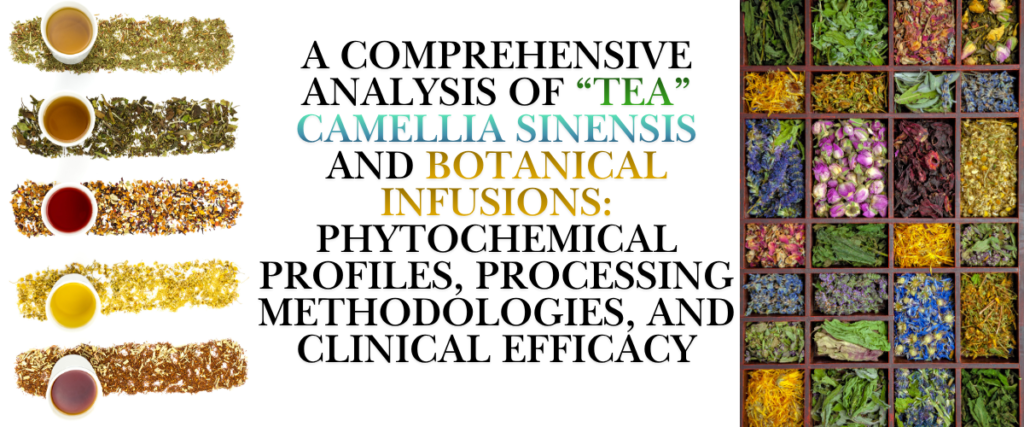
The global narrative of tea is an intricate tapestry woven from nearly five millennia of history, botanical evolution, and increasingly sophisticated nutritional science. Surpassed only by water as the most consumed beverage on the planet, tea serves as both a cultural cornerstone and a primary source of dietary phytonutrients for billions of individuals.1 While common parlance often uses the term “tea” to describe any plant matter steeped in hot water, the rigorous botanical definition restricts the term to the leaves, buds, and stems of the Camellia sinensis plant.2 This evergreen shrub, a member of the Theaceae family, is the singular source of white, green, yellow, oolong, black, and pu-erh teas.4 The remarkable diversity found within these categories is not the result of different species, but rather a consequence of meticulous variations in cultivation, the timing of the harvest, and the complex biochemical transformations induced during processing.5
The Botanical Origins and Evolutionary History of Tea
The genesis of tea is shrouded in the mists of Chinese legend. Traditional accounts attribute its discovery to the Emperor Shen Nung in 2732 BCE, who, according to myth, was boiling a pot of water beneath a wild tea tree when a stray leaf drifted into the vessel.1 Upon tasting the resulting infusion, the Emperor noted its refreshing properties and medicinal potential, marking the beginning of a relationship between humanity and Camellia sinensis that would eventually reshape global trade routes.1 Historically, tea transitioned from a medicinal tonic to a sophisticated social beverage during the Tang and Song Dynasties, where it was eventually compressed into bricks and used as a form of standardised currency across Tibet, Mongolia, and parts of Russia.1
The Camellia sinensis plant itself is a hardy evergreen that can thrive for centuries. While commercial plantations typically prune the shrubs to waist height for ease of harvesting, wild specimens have been documented reaching heights of over 80 feet.1 The plant’s metabolic profile is highly plastic, responding to environmental stressors such as altitude, temperature fluctuations, and soil composition—factors collectively known as terroir.5 These conditions dictate the concentration of secondary metabolites, including polyphenols, amino acids, and alkaloids, which are the primary drivers of tea’s flavour and health-promoting effects.3
| Feature | Description | Impact on Final Product |
| Cultivar | Genetic variety of C. sinensis | Determines base flavour and catechin levels 5 |
| Terroir | Climate, soil, and elevation | Influences aromatic complexity and nutrient density 5 |
| Harvest Time | Season (Spring vs. Autumn) | Spring harvests are typically higher in L-theanine 10 |
| Processing | Degree of oxidation/fermentation | Defines the tea category (e.g., Green vs. Black) 6 |
The Phytochemical Architecture of the Tea Leaf
The health benefits of tea are predicated on its complex chemical composition. The most significant compounds are the polyphenols, specifically a subgroup of flavan-3-ols known as catechins.3 In non-oxidised teas, such as green and white varieties, epigallocatechin-3-gallate (EGCG) is the most abundant and pharmacologically active catechin.13 As the leaves undergo oxidation, these catechins are enzymatically converted into larger, complex molecules like theaflavins and thearubigins, which give black tea its characteristic amber colour and brisk astringency.14
Complementing these polyphenols is the amino acid L-theanine, which is found almost exclusively in the Camellia genus.9 L-theanine is prized for its ability to cross the blood-brain barrier and modulate neurotransmitters such as GABA and dopamine, promoting a state of “relaxed alertness” that mitigates the potential anxiety induced by the tea’s caffeine content.7 This synergistic relationship between caffeine and L-theanine is a primary reason why tea drinkers report a sustained energy lift without the abrupt “crash” often associated with coffee.7
White Tea: The Preservation of Purity
White tea represents the least processed of all true teas. Harvested primarily in the Fujian province of China, it consists of the youngest buds and tender leaves, which are still covered in fine, silvery-white down—the origin of the tea’s name.10 The processing involves only two main stages: withering and drying.18 By avoiding the rolling and intensive heating used for other varieties, white tea preserves the highest natural concentration of catechins and other antioxidants.17
Dermatological and Anti-Aging Benefits
Research into the efficacy of white tea has highlighted its profound impact on skin health. The high levels of EGCG and other polyphenols act as potent inhibitors of elastase and collagenase—enzymes that break down the structural proteins responsible for skin elasticity and firmness.19 Clinical studies suggest that topical or oral application of white tea extract can protect human skin cells from oxidative stress and inflammation caused by ultraviolet (UV) radiation.19 Furthermore, the antioxidant activity in white tea is roughly three times higher than that found in other tea categories, making it a powerful ally in combating the internal and external factors of premature aging.10
Cardiovascular and Metabolic Protection
Beyond its cosmetic applications, white tea supports cardiovascular integrity. The catechins in white tea have been linked to improved cholesterol profiles and enhanced arterial function.17 By preventing the oxidation of LDL cholesterol and helping to relax blood vessels, white tea consumption may reduce the overall risk of heart disease.10 Additionally, animal studies indicate that white tea polyphenols can enhance insulin sensitivity, potentially aiding in the management of blood sugar levels and the prevention of insulin resistance.20
| Processing Stage | White Tea Methodology | Significance |
| Harvesting | Hand-picking young buds | Ensures maximum nutrient concentration 18 |
| Withering | Natural air-drying (up to 72 hrs) | Allows moisture to evaporate without enzyme destruction 10 |
| Fixation | Minimal to none | Preserves the delicate, original state of the leaf 17 |
| Drying | Low-heat charcoal or air | Stabilises the product for storage while retaining aromatics 18 |
Green Tea: The Benchmark of Functional Nutrition
Green tea is the most extensively researched of all tea varieties, celebrated for its diverse therapeutic applications. Its production is characterised by “fixing”—a process where freshly harvested leaves are quickly heated to denature the oxidase enzymes, thereby preventing oxidation and preserving the leaf’s green colour and high EGCG content.3
Metabolic and Thermogenic Effects
The interaction between green tea catechins and caffeine has significant implications for metabolic health. Studies suggest that this combination can increase the body’s metabolic rate and enhance fat oxidation.3 Specifically, EGCG is thought to inhibit catechol-O-methyltransferase (COMT), an enzyme that breaks down norepinephrine.3 By maintaining higher levels of norepinephrine, green tea promotes the mobilisation of fat from adipose tissues to be used for energy.3 While the effect on total body weight may be modest, regular consumption is consistently associated with improved abdominal fat distribution and metabolic markers.13
Cognitive Longevity and Brain Health
Green tea consumption is strongly correlated with neuroprotection. Longitudinal studies involving middle-aged and older adults have shown that daily tea drinkers have a 64% lower chance of developing cognitive impairment compared to non-drinkers.13 The presence of L-theanine and EGCG may help protect brain cells from damage and interfere with the formation of amyloid-beta plaques, which are central to the pathology of Alzheimer’s disease.9 Additionally, green tea is associated with a reduction in stress markers and an improvement in overall mood and attention span.9
Dental and Oral Health
The high fluoride and catechin content in green tea contribute to superior oral hygiene. Catechins have been shown to inhibit the growth of Streptococcus mutans, the primary bacterium responsible for dental plaque and cavities.13 Furthermore, the anti-inflammatory properties of tea polyphenols may reduce the risk of periodontal disease and help neutralise the sulphur-producing bacteria that cause halitosis (bad breath).13
Matcha: The Potency of the Whole Leaf
Matcha is a specialised form of green tea that has seen a surge in global popularity due to its intense nutritional profile and ritualistic preparation.15 Unlike traditional green tea, where the leaves are steeped and then discarded, matcha consists of the entire tea leaf, stone-ground into a fine powder.15
The Science of Shaded Cultivation
The unique properties of matcha begin in the tea garden. Approximately three weeks before harvest, the plants are shielded from direct sunlight.15 This shading process forces the plant to compensate for reduced light by producing massive amounts of chlorophyll and amino acids.15 The resulting leaves are vibrant green and exceptionally rich in L-theanine, which provides the tea with its characteristic “umami” flavour and potent calming effect.15
Concentrated Antioxidant Delivery
Because the whole leaf is consumed, matcha delivers a significantly higher concentration of nutrients per serving than brewed tea. One cup of matcha can contain up to ten times the amount of antioxidants found in a standard cup of green tea.15 The levels of EGCG are particularly elevated, providing robust support for cellular repair and the reduction of systemic inflammation.15
| Nutrient | Standard Green Tea (Brewed) | Matcha (Ingested) |
| EGCG/Catechins | ~63 mg per serving | ~134 mg per serving 26 |
| L-Theanine | ~3 mg per serving | ~45 mg per serving 26 |
| Caffeine | ~35 mg per cup | ~70 mg per 2-3 oz serving 15 |
| Fiber | Negligible | ~385 mg per gram of powder 23 |
Yellow Tea: The Elusive Imperial Tribute
Yellow tea is arguably the rarest category of Camellia sinensis, produced through a meticulous and labour-intensive process known as menhuang, or “sealing the yellow”.11 This variety was historically reserved as a tribute for Chinese royalty, and today it remains difficult to find outside of specific regions in China.11
The Menhuang Transformation
The production of yellow tea begins similarly to green tea with high-heat fixation. However, it adds a unique step: the warm, damp leaves are wrapped in paper or cloth to undergo a very light, non-enzymatic oxidation and thermal degradation of chlorophyll.11 This stage, which can last for several days, removes the “grassy” or “vegetal” notes typical of green tea, resulting in a mellow, silky-smooth infusion with a golden-yellow hue.11
Therapeutic Applications of Yellow Tea
Yellow tea retains the potent antioxidant profile of green tea but is often described as being gentler on the digestive system.28 The menhuang process breaks down harsh tannins that can sometimes cause stomach upset in sensitive individuals.30 Furthermore, yellow tea is rich in polyphenols and catechins that support heart health, aid in fat oxidation, and possess antibacterial properties that enhance immune function and oral health.24
Oolong Tea: The Mastery of Partial Oxidation
Oolong tea represents the middle ground between green and black tea, featuring oxidation levels that range from 12% to 85%.12 This category is prized by connoisseurs for its immense aromatic complexity, which can vary from creamy and floral to roasted and nutty.6
Metabolic Synergy and Weight Management
Oolong tea is particularly noted for its potential to boost metabolism and assist in weight management. Research indicates that the specific polymerised polyphenols found in oolong tea are more effective at inhibiting pancreatic lipase—the enzyme responsible for fat absorption in the gut—than those found in green or black tea.12 Regular consumption has been linked to increased energy expenditure and enhanced fat breakdown, particularly when paired with a healthy lifestyle.12
Cardiovascular and Blood Sugar Support
The semi-oxidised nature of oolong tea provides a unique blend of catechins and theaflavins. These compounds help lower cholesterol levels and reduce arterial stiffness, supporting overall heart health.12 Additionally, some studies have found that oolong tea may help regulate blood sugar levels, making it a beneficial beverage for individuals managing type 2 diabetes or insulin resistance.12
| Oxidation Level | Flavor Profile | Key Biochemical Characteristics |
| Light (10-30%) | Floral, buttery, green | High in catechins and L-theanine 6 |
| Medium (30-60%) | Fruity, honey-sweet | Balanced catechin/theaflavin profile 12 |
| Dark (60-85%) | Nutty, roasted, woody | Higher concentration of thearubigins 6 |
Black Tea: The Robustness of Full Oxidation
Black tea is the result of full enzymatic oxidation, a process that completely transforms the chemical makeup of the tea leaf.6 This process creates bold, robust flavours and high concentrations of theaflavins and thearubigins, which are not present in unoxidized teas.14
Cardiovascular and Circulatory Health
The unique polyphenols in black tea, specifically theaflavins, have been shown to possess significant cardioprotective properties. Regular consumption of black tea is associated with a reduction in blood pressure and a lower risk of stroke.9 These compounds help improve endothelial function—the ability of blood vessels to dilate and contract—which is a critical factor in preventing cardiovascular disease.9
Cognitive Performance and Focus
Black tea is frequently used as an alternative to coffee for improving attention and mental performance. The European Food Safety Authority (EFSA) has even provided a positive evaluation of black tea’s efficacy in improving attention.9 This is largely due to the specific combination of caffeine and theaflavins, which enhance neurophysiological outcomes related to cognitive speed and memory.9
Pu-erh Tea: The Fermented Vintage
Pu-erh tea is a post-fermented tea from the Yunnan province of China, unique in its ability to age and improve over time, much like a fine wine.4 It exists in two primary forms: Sheng (Raw), which ages naturally over decades, and Shou (Ripe), which undergoes an accelerated fermentation process.4
Probiotics and Gut Health
Unlike other teas, Pu-erh is a “living” beverage shaped by microbial activity.4 This fermentation process creates beneficial bacteria (probiotics) and enzymes that support a healthy gut microbiome.4 Pu-erh is traditionally consumed after heavy meals because it aids in the digestion of fats and helps alleviate gastrointestinal discomfort.4
Lipid Management and Detoxification
Clinical studies suggest that Pu-erh tea can help lower cholesterol and triglyceride levels by inhibiting the liver’s production of fat.4 Furthermore, its cleansing properties are believed to support liver health and the body’s natural detoxification processes, making it a popular choice for those looking to support metabolic health.4
The World of Herbal Tisanes: Functional Botanical Infusions
While not “true” teas, herbal tisanes offer a wide array of health benefits and are typically naturally caffeine-free, making them suitable for evening consumption.2
Sedative and Calming Infusions
- Chamomile: Perhaps the most famous sleep aid, chamomile contains apigenin, which induces relaxation by binding to specific receptors in the brain.16 It has been shown to improve sleep quality and reduce symptoms of anxiety and depression.33
- Lemon Balm and Passionflower: These herbs are often used in combination to enhance their sedative effects. Lemon balm increases GABA levels in the brain, while passionflower has been shown in some trials to be as effective as pharmaceutical anti-anxiety medications.16
- Valerian Root: Known for its strong sedating properties, valerian root is often included in “deep sleep” blends to treat insomnia and restlessness.16
Digestive and Invigorating Infusions
- Peppermint: This refreshing tea is a primary remedy for digestive distress. It helps relax the muscles of the stomach and intestines, relieving gas, bloating, and symptoms of Irritable Bowel Syndrome (IBS).33
- Ginger: A well-known anti-nausea agent, ginger tea is effective for motion sickness, morning sickness during pregnancy, and alleviating menstrual pain.33
- Hibiscus: This vibrant, tart tea is packed with anthocyanins that help lower blood pressure and improve cholesterol levels, supporting overall cardiovascular vitality.33
| Herbal Tea | Primary Active Compound | Major Health Benefit |
| Chamomile | Apigenin | Sleep aid, anxiety reduction 16 |
| Peppermint | Menthol | Digestive relief, IBS management 33 |
| Hibiscus | Anthocyanins | Blood pressure regulation 33 |
| Rooibos | Aspalathin | Bone health, caffeine-free antioxidant 33 |
| Ginger | Gingerol | Nausea relief, anti-inflammatory 33 |
| Sage | Rosmarinic acid | Cognitive function, memory support 33 |
The Science of Brewing: Water Chemistry and Kinetics
The quality of a cup of tea is profoundly influenced by the chemistry of the water used for brewing.41 Water acts as the solvent that extracts the delicate balance of catechins, amino acids, and caffeine from the leaf.22
The Impact of Mineral Content (TDS)
Total Dissolved Solids (TDS) is a measure of the mineral content in water. For the optimal extraction of tea, water should be relatively soft, with a TDS range between 30 and 80 ppm.43
- Hard Water (>150 ppm): Excessive calcium and magnesium can bind to polyphenols, preventing their extraction and creating a flat, bitter flavour and a metallic aftertaste.43
- Distilled/RO Water (<10 ppm): Water that is too pure lacks the minerals necessary to provide “lift” to the tea’s aroma and flavour, resulting in a thin, underwhelming brew.43
Temperature and Extraction Time
Temperature dictates the rate at which various compounds are released into the water. High temperatures accelerate the extraction of tannins and caffeine, while lower temperatures favour the release of amino acids like L-theanine.22
- Delicate Teas (White/Green): These require cooler water (160–180°F) and shorter steeping times (1–3 minutes) to avoid the extraction of excessive bitterness.22
- Robust Teas (Black/Pu-erh): These can withstand boiling water (212°F) and longer steeping times (3–5 minutes) to fully develop their complex, full-bodied flavours.22
| Water Attribute | Recommended Range | Effect on Tea Infusion |
| TDS (Total Dissolved Solids) | 30–80 ppm | Optimal extraction and clarity 43 |
| pH Level | 6.5–7.2 (Neutral/Slightly Acidic) | Enhances brightness and prevents dullness 42 |
| Dissolved Oxygen | High (Freshly boiled) | Critical for aromatic “lift” and flavour 41 |
| Chlorine/Chloramine | Zero | Removes chemical/pool-like taste 41 |
Safety Considerations: Side Effects and Drug Interactions
While tea is widely regarded as safe, its high concentration of bioactive compounds necessitates caution for certain populations and when consumed in excess.21
Iron Absorption and Tannins
One of the primary nutritional concerns with tea consumption is its impact on iron absorption. Tannins in tea readily bind to non-heme iron (iron from plant-based foods), preventing its absorption in the gut.48 For individuals with iron deficiency anemia or those on a strict vegetarian diet, it is recommended to drink tea between meals rather than with them to minimise this inhibitory effect.14
Caffeine Sensitivity and Sleep Quality
Excessive caffeine intake from tea can lead to anxiety, restlessness, and a disruption of the sleep cycle.48 Caffeine inhibits the production of melatonin, making it difficult to fall asleep and reducing overall sleep quality.48 Those sensitive to caffeine should limit their intake of true teas, particularly in the afternoon and evening, or opt for caffeine-free herbal alternatives.48
Potential Drug Interactions
Tea can interact with a variety of pharmaceutical agents, either by inhibiting their absorption or affecting their metabolism in the liver.51
| Medication Category | Specific Interaction | Potential Outcome |
| Blood Thinners (Warfarin) | Vitamin K in tea antagonises the drug | Reduced effectiveness; risk of clots 51 |
| Statins (Atorvastatin) | Reduced absorption in the gut | Lowered efficacy in cholesterol management 51 |
| Beta-Blockers (Nadolol) | Tea reduces drug levels by up to 85% | Increased blood pressure or heart rate 51 |
| Blood Pressure (Lisinopril) | Reduced absorption | Decreased control of hypertension 52 |
| Mental Health (Lithium) | Caffeine alters blood levels of lithium | Risk of toxicity or therapeutic failure 53 |
| Antibiotics (Quinolones) | Antibiotics slow caffeine breakdown | Increased risk of caffeine jitters/anxiety 52 |
Conclusion: The Integrated Role of Tea in Modern Wellness
The exploration of Camellia sinensis and its herbal counterparts reveals a beverage category of unparalleled pharmacological and cultural depth. From the delicate, enzyme-rich silver buds of white tea to the probiotic-heavy, fermented blocks of aged pu-erh, every variety offers a unique metabolic and physiological profile tailored to different health needs. Green tea and matcha remain peerless for their thermogenic and neuroprotective properties, while theaflavin-rich black tea provides significant cardiovascular support. Herbal tisanes extend this functional reach, offering natural solutions for insomnia, digestive distress, and hypertension.
However, the efficacy of these benefits is inherently tied to the precision of the brewing process—specifically water chemistry and temperature—and an awareness of potential contraindications. By integrating high-quality, loose-leaf teas into a daily routine while remaining mindful of iron absorption and pharmaceutical interactions, individuals can leverage this ancient “liquid jade” to support a modern, health-conscious lifestyle.
Medical Disclaimer
The information provided in this report is intended for educational purposes only and does not constitute medical advice, diagnosis, or treatment. While the consumption of tea is generally considered safe for the general population, individual responses can vary. Some types of tea and herbal infusions may cause side effects or interact with prescription and over-the-counter medications. Individuals who are pregnant, nursing, have pre-existing medical conditions (such as iron deficiency anemia, heart conditions, or kidney disease), or are taking medications should consult with a qualified healthcare professional before significantly increasing their tea consumption or adding tea supplements to their regimen. Always seek the advice of your physician or other qualified health provider with any questions you may have regarding a medical condition.
References
- 17 Titillating Facts about the History of Tea, accessed on April 6, 2026, https://www.historyofceylontea.com/ceylon-publications/ceylon-tea-articles/17-titillating-facts-about-the-history-of-tea.html
- 20 Fun Facts About Tea: Discover the History, Types, and Etiquette of – Grateful Earth Coffee, accessed on April 6, 2026, https://gratefulearthcoffee.com/blogs/coffee-and-productivity/20-fun-facts-about-tea-discover-the-history-types-and-etiquette-of-the-worlds-favorite-beverage
- A Comprehensive Insight on the Health Benefits and … – PMC – NIH, accessed on April 6, 2026, https://pmc.ncbi.nlm.nih.gov/articles/PMC6826564/
- How to Brew Pu-erh Tea + Its Surprising Benefits – Teasperience, accessed on April 6, 2026, https://teasperience.com/how-to-brew-pu-erh-tea/
- A Comprehensive Understanding of Camellia sinensis Tea Metabolome: From Tea Plants to Processed Teas – PubMed, accessed on April 6, 2026, https://pubmed.ncbi.nlm.nih.gov/39874609/
- Pu Erh Tea vs Oolong: Exploring Tea Differences – Dong Po Tea, accessed on April 6, 2026, https://dongpotea.com/blogs/oolong-tea/pu-erh-tea-vs-oolong
- Interesting facts about tea | Royal Museums Greenwich, accessed on April 6, 2026, https://www.rmg.co.uk/stories/maritime-history/interesting-facts-about-tea
- Exploring the ancient roots and modern global brews of tea and herbal beverages: A comprehensive review of origins, types, health benefits, market dynamics, and future trends – PMC, accessed on April 6, 2026, https://pmc.ncbi.nlm.nih.gov/articles/PMC11521711/
- Effects of Tea (Camellia sinensis) or its Bioactive Compounds l-Theanine or l-Theanine plus Caffeine on Cognition, Sleep, and Mood in Healthy Participants: A Systematic Review and Meta-Analysis of Randomized Controlled Trials – PMC, accessed on April 6, 2026, https://pmc.ncbi.nlm.nih.gov/articles/PMC12422004/
- White Tea 101 | History, Processing, and Health Benefits, accessed on April 6, 2026, https://www.hackberrytea.com/blogs/tea-fundamentals/white-tea-101-history-processing-method-and-health-benefits
- Yellow Tea: Basics, Health Benefits & the Best Types, accessed on April 6, 2026, https://senchateabar.com/blogs/blog/yellow-tea
- Oolong vs Pu Erh: Understanding the Differences in Taste and Benefits, accessed on April 6, 2026, https://cspuerh.com/blogs/tea-101/oolong-vs-pu-erh
- 10 Evidence-Based Benefits of Green Tea – Healthline, accessed on April 6, 2026, https://www.healthline.com/nutrition/top-10-evidence-based-health-benefits-of-green-tea
- What are Tannins in Tea and Their Benefits? – Vinmec, accessed on April 6, 2026, https://www.vinmec.com/eng/blog/what-are-the-tannins-in-tea-and-what-are-their-benefits-en
- Matcha — Even More Powerful Than Regular Green Tea? – Healthline, accessed on April 6, 2026, https://www.healthline.com/nutrition/matcha-green-tea
- The Power of Anti-Stress Herbs – A.Vogel, accessed on April 6, 2026, https://www.avogel.ca/blog/the-power-of-anti-stress-herbs/
- White Tea Benefits: 7 Powerful Ways It Boosts Your Health – Happy Being, accessed on April 6, 2026, https://happybeing.co/blogs/journal/white-tea-health-benefits
- The Fascinating Art of White Tea Processing, accessed on April 6, 2026, https://teapro.co.uk/the-fascinating-art-of-white-tea-processing/
- White Tea: Everything you need to know – Léonia Paris, accessed on April 6, 2026, https://leonia-cosmetiques.com/en/blogs/journal/the-blanc-tout-ce-que-vous-devez-savoir
- 10 Impressive Benefits of White Tea – Healthline, accessed on April 6, 2026, https://www.healthline.com/nutrition/white-tea-benefits
- Green tea: Health benefits, side effects, and research, accessed on April 6, 2026, https://www.medicalnewstoday.com/articles/269538
- accessed on April 6, 2026, https://www.kitchenaid.com/countertop-appliances/pinch-of-help/tea-temperatures
- Green Tea Vs. Matcha – Is there a difference?, accessed on April 6, 2026, https://threeleaftea.com/blogs/blog/green-tea-vs-matcha-is-there-a-difference
- Yellow Tea: Origin, Production, Health Benefits, and More… – Mansa Tea, accessed on April 6, 2026, https://mansatea.com/blogs/learn/yellow-tea
- Matcha vs. green tea: Differences and benefits – Medical News Today, accessed on April 6, 2026, https://www.medicalnewstoday.com/articles/matcha-vs-green-tea
- What is the Difference Between Matcha & Green Tea, accessed on April 6, 2026, https://www.artoftea.com/blogs/tea-profiles/what-is-the-difference-between-matcha-and-green-tea
- Matcha vs Green Tea: What’s the Real Difference in Cultivation, Processing, and Health Benefits, accessed on April 6, 2026, https://www.musubimatcha.com/2026/01/19/matcha-vs-green-tea-whats-the-real-difference-in-cultivation-processing-and-health-benefits/
- 5 Reasons to Drink Yellow Tea Every Day – Grazia USA, accessed on April 6, 2026, https://graziamagazine.com/us/articles/5-reasons-drink-yellow-tea-every-day/
- accessed on January 1, 1970, https://www.artoftea.com/blogs/tea-101/what-is-yellow-tea
- What Is Yellow Tea Good For? Exploring the Benefits and History of This Rare Brew, accessed on April 6, 2026, https://cymbiotika.com/blogs/health-hub/what-is-yellow-tea-good-for-exploring-the-benefits-and-history-of-this-rare-brew
- About Tea Types: Oolong, Green, White, Puerh, Black, Herbal – The Tea Spot, accessed on April 6, 2026, https://www.theteaspot.com/pages/about-tea
- Oolong vs Pu-erh Tea: The Ultimate Guide to Taste – Red Rock Tea House, accessed on April 6, 2026, https://www.redrockteahouse.com/blogs/articles/oolong-vs-pu-erh-tea
- 10 Healthy Herbal Teas You Should Try – Healthline, accessed on April 6, 2026, https://www.healthline.com/nutrition/10-herbal-teas
- 6 Types of Herbal Tea and Their Benefits | Newby Teas UK, accessed on April 6, 2026, https://www.newbyteas.com/gb/journal/6-herbal-tea-benefits
- Benefits of Drinking Herbal Tea for Weight Loss, Digestion and Skin! – Care Insurance, accessed on April 6, 2026, https://www.careinsurance.com/blog/health-insurance-articles/top-5-herbal-tea-benefits-you-need-for-daily-wellness
- Stress Relief Herbal Teas Lemon Balm And Passionflower Guide, accessed on April 6, 2026, https://www.margaretroberts.co.za/stress-herbal-teas/
- Tea Temperature Chart | Black Tea Steep Time | Art of Tea, accessed on April 6, 2026, https://www.artoftea.com/blogs/tea-101/recommended-steep-times
- Herbal Teas That Can Affect Your Medications – Texas Health Resources, accessed on April 6, 2026, https://www.texashealth.org/areyouawellbeing/Health-and-Well-Being/Herbal-Teas-That-Can-Affect-Your-Medications
- 14 Health Benefits of Herbal Tea: A Guide to Nature’s Healing Elixir – HyugaLife, accessed on April 6, 2026, https://hyugalife.com/blog/benefits-of-herbal-tea-for-healthy-lifestyle
- 5 Herbal Teas and their Benefits – Nutrition Health Review, accessed on April 6, 2026, https://nutritionhealthreview.com/nutrition/5-herbal-teas-and-their-benefits/
- Water Is the Mother of Tea: Best Types of Water for Brewing – Harney & Sons Fine Teas, accessed on April 6, 2026, https://www.harney.com/blogs/news/water-is-the-mother-of-tea
- The Ideal Water for Tea: Tap, Spring, Filtered, or Mineral? – Petite Histoire, accessed on April 6, 2026, https://nyc.ph/blogs/tea/the-ideal-water-for-tea-tap-spring-filtered-or-mineral
- Best Water for Tea: Tap, Spring, Bottled, or Filtered? (Science-Tested) – LifeTips, accessed on April 6, 2026, https://lifetips.alibaba.com/kitchen-hacks/best-water-for-tea-tap-spring-bottled-filtered
- What is the Best Water for Making Tea?, accessed on April 6, 2026, https://qifullife.com/water/
- Water Review: Filtered Water, Reverse Osmosis, Spring Water – Adagio Teas, accessed on April 6, 2026, https://www.adagio.com/blog/259/water-review-filtered-water-reverse-osmosis-spring
- Brewing Times for Types of Tea – Lady Baker’s Tea, accessed on April 6, 2026, https://ladybakerstea.com/blogs/blog/brewing-times-for-types-of-tea
- Guide to Steeping Tea – Capresso, accessed on April 6, 2026, https://www.capresso.com/media/wysiwyg/Guide_to_Steeping_Tea.pdf
- Side Effects of Tea: 8 Reasons Not to Drink Too Much – Healthline, accessed on April 6, 2026, https://www.healthline.com/nutrition/side-effects-of-tea
- Iron deficiency anemia due to excessive green tea drinking – PMC – NIH, accessed on April 6, 2026, https://pmc.ncbi.nlm.nih.gov/articles/PMC5093162/
- Side Effects and Nine Reasons to Avoid Consuming Excessive Tea | Vinmec, accessed on April 6, 2026, https://www.vinmec.com/eng/blog/side-effects-of-tea-and-9-reasons-why-you-shouldnt-drink-too-much-en
- Green tea and prescription risks | Parkview Health, accessed on April 6, 2026, https://www.parkview.com/blog/green-tea-and-prescription-risks
- Does Green Tea interact with any drugs?, accessed on April 6, 2026, https://www.drugs.com/medical-answers/green-tea-interact-drugs-3573951/
- 9 Medications That Can Negatively Interact With Green Tea – Everyday Health, accessed on April 6, 2026, https://www.everydayhealth.com/food-safety/why-do-hospitals-say-not-to-drink-green-tea-with-prescription-medication/